

Dental implants have transformed the way dentists replace missing teeth, offering a solution that looks, feels, and functions remarkably like natural teeth. Yet despite their growing popularity, many patients still have questions about the procedure, recovery, cost, and long-term success of implant treatment.
If you're considering dental implants, you're not alone. From "Do dental implants hurt?" to "How long do they last?" and "Are they worth the investment?", understanding the facts can help you feel more confident about your decision. In this FAQ guide, we'll answer the most common dental implant questions and provide the information you need to determine whether dental implants are the right choice for restoring your smile, oral health, and quality of life.
What Are Dental Implants?
Dental implants are permanent tooth replacement solutions designed to restore missing teeth and support long-term oral health. They are placed directly into the jawbone, creating a strong foundation for replacement teeth that look and function like natural ones.
A dental implant consists of three main parts: the implant post, abutment, and dental crown. The implant post is typically made of biocompatible titanium and serves as an artificial tooth root. The abutment connects the implant to the final restoration, while the crown is custom-made to blend naturally with your smile.
One of the biggest advantages of dental implants is their ability to integrate with the jawbone through a process called osseointegration. This creates exceptional stability and helps prevent the bone loss that often occurs after a tooth is lost.
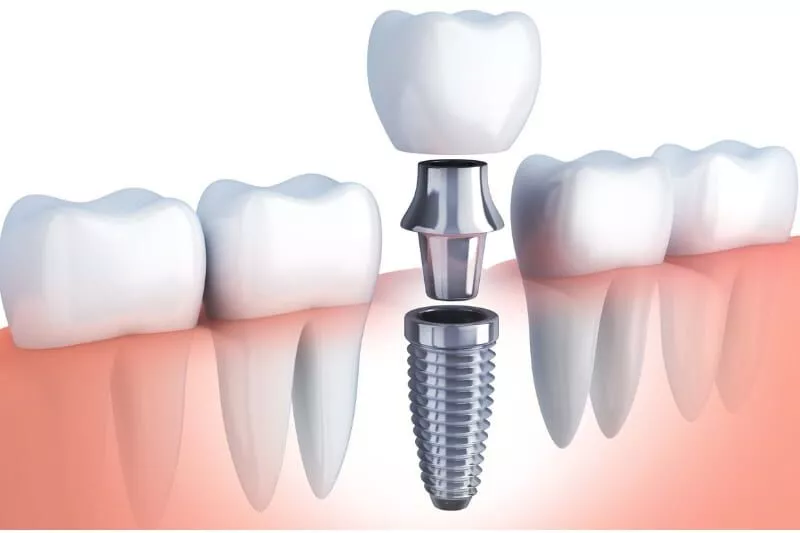
Clinical research has consistently shown that dental implants provide highly predictable outcomes and remain one of the most successful treatment options for replacing missing teeth.
Who Is a Good Candidate for Dental Implants?
Multiple clinical studies and systematic reviews have demonstrated long-term implant survival rates exceeding 90%, making dental implants a reliable solution for many patients with missing teeth.
Most healthy adults with one or more missing teeth can be good candidates for dental implants. Whether you have lost a tooth due to decay, injury, or gum disease, implants can provide a stable and natural-looking replacement.
Healthy gums are an important part of successful implant treatment. Because implants rely on the surrounding tissues for support, any signs of active gum disease should be treated before the implant process begins.
Adequate jawbone density is also necessary to support the implant post. If bone loss has occurred, procedures such as bone grafting may help rebuild the jaw and make implant treatment possible.
Good candidates should also be committed to maintaining excellent oral hygiene and attending regular dental checkups. Proper care plays a significant role in protecting the implant and supporting long-term success.
Even if you have been told in the past that you are not a candidate for dental implants, advances in modern dentistry may provide additional treatment options. A comprehensive consultation is the best way to determine whether dental implants are right for your unique needs and smile goals.
What Dental Problems Can Implants Fix?
Dental implants are one of the most versatile restorative treatments available today. They can address a wide range of tooth loss concerns while restoring both function and appearance.
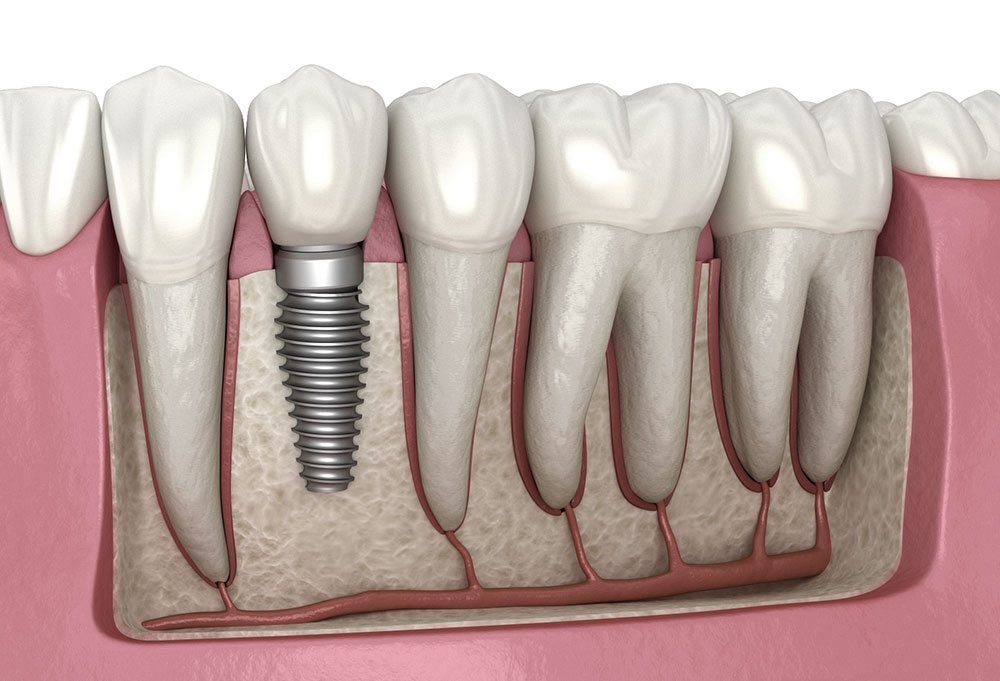
Depending on your needs, dental implants may be used to treat the following issues:
- A Single Missing Tooth: If you are missing one tooth, a single dental implant topped with a custom crown can fill the gap without affecting neighboring teeth. The result looks natural and helps maintain proper bite alignment.
- Multiple Missing Teeth: Patients missing several teeth may benefit from implant-supported bridges. This solution restores chewing ability and prevents surrounding teeth from shifting out of position.
- An Entire Row of Missing Teeth: For individuals who have lost all teeth in the upper or lower arch, implant-supported dentures or full-arch dental implants can provide a more secure and comfortable alternative to traditional removable dentures.
- Loose or Unstable Dentures: Many denture wearers struggle with slipping, clicking, or discomfort. Dental implants can anchor dentures in place, providing greater stability and confidence when eating or speaking.
- Difficulty Chewing Certain Foods: Missing teeth can make it challenging to enjoy a balanced diet. Dental implants restore biting strength, allowing patients to eat a wider variety of foods more comfortably.
- Jawbone Deterioration After Tooth Loss: When a tooth is lost, the underlying jawbone begins to shrink over time. Because implants function like natural tooth roots, they help stimulate the bone and reduce further bone loss.
- Changes in Facial Appearance: Significant tooth loss can contribute to a sunken or aged appearance. By supporting the jawbone and facial structure, dental implants can help maintain a fuller, more youthful look.
Whether you are missing one tooth or facing more extensive tooth loss, dental implants can offer a customized solution designed to restore your smile, improve oral function, and support long-term dental health.
What Is the Dental Implant Procedure Like?
Getting dental implants is a multi-step process designed to create a strong, healthy, and long-lasting foundation for your new smile. While every treatment plan is customized, most patients can expect the following stages during their dental implant journey.
1. Initial Consultation and Digital Planning
The process begins with a comprehensive consultation to evaluate your oral health and determine whether dental implants are right for you. Digital X-rays and advanced 3D imaging are often used to assess bone density, gum health, and implant placement.
This planning stage helps create a personalized treatment plan while ensuring optimal function, stability, and aesthetics for the final restoration.
2. Bone Grafting if Needed
Some patients may not have enough healthy jawbone to support a dental implant. In these cases, a bone graft may be recommended to strengthen the area before implant placement.
Bone grafting helps create a stable foundation and can significantly improve the long-term success of dental implant treatment.
3. Dental Implant Placement
Once the treatment area is ready, the titanium implant post is carefully placed into the jawbone. The procedure is typically performed under local anesthesia to maximize comfort.
Most patients are surprised by how manageable the procedure feels and are able to return to many normal daily activities shortly afterward.
4. Healing and Osseointegration
After placement, the implant needs time to integrate with the jawbone through a natural process called osseointegration. This stage is what gives dental implants their exceptional strength and stability.
Healing can take several months, depending on the patient's oral health and treatment needs.
5. Abutment Placement
Once the implant has successfully fused with the bone, a small connector called an abutment is attached to the implant.
The abutment serves as the link between the implant post and the final dental crown.
6. Custom Crown Placement
The final step is placing a custom-made crown that is designed to match the color, shape, and appearance of your surrounding teeth.
When treatment is complete, the dental implant looks, feels, and functions much like a natural tooth, allowing you to eat, speak, and smile with confidence.
Although the dental implant process requires patience, the long-term benefits often make it one of the most reliable and rewarding solutions for replacing missing teeth.
How Long Does the Healing Process Take?
The healing timeline for dental implants can vary from patient to patient. Factors such as overall health, bone quality, and whether additional procedures are needed can all influence the recovery process.
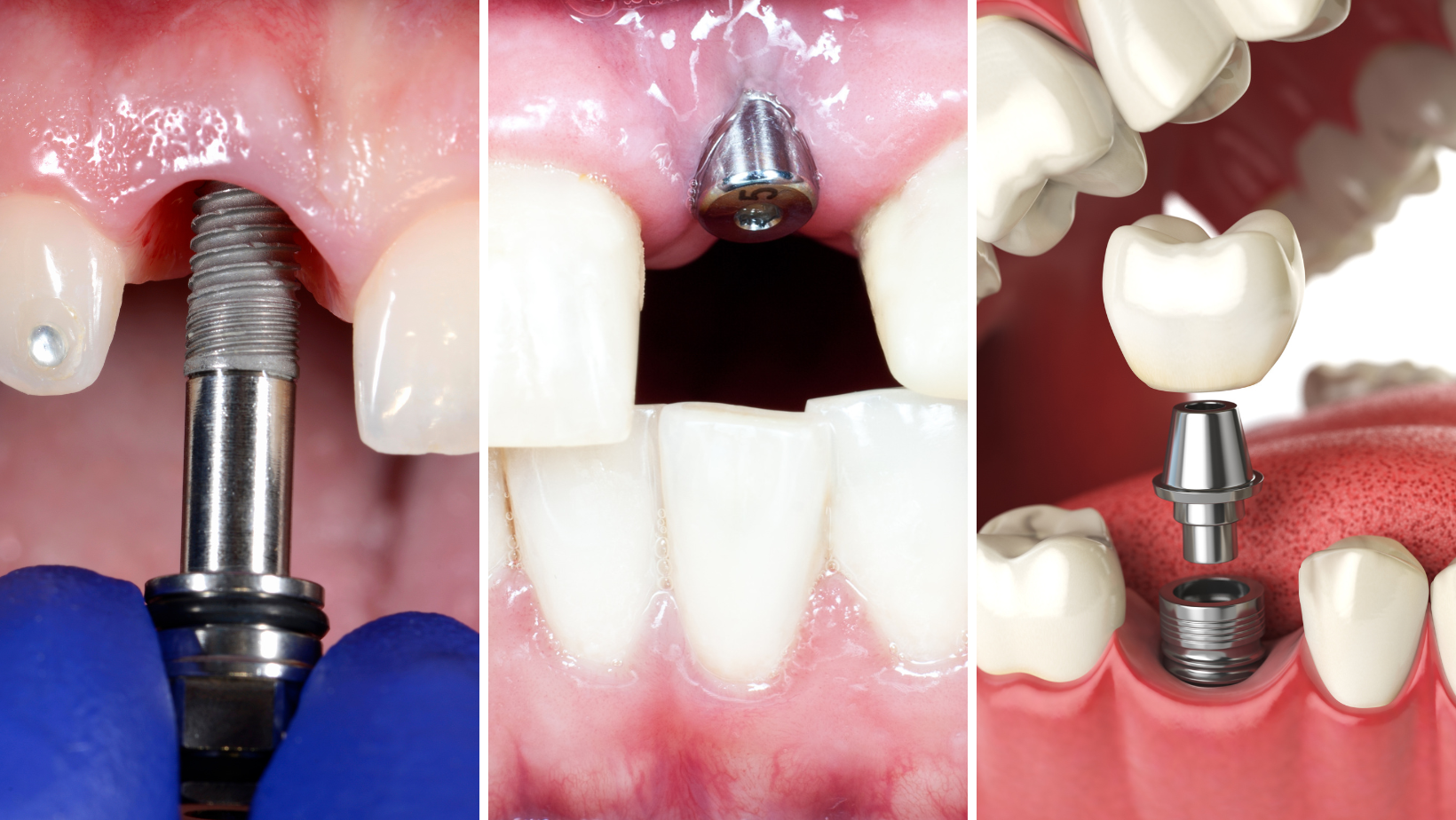
In most cases, the initial healing period lasts about one to two weeks. During this time, mild swelling, tenderness, and discomfort are normal and can usually be managed with recommended medications and proper aftercare.
The most important stage of healing is osseointegration, which is the process of the implant fusing with the jawbone. This typically takes anywhere from three to six months and is essential for creating a strong and stable foundation for the final restoration.
Patients can help support a smooth recovery by following post-operative instructions, maintaining good oral hygiene, avoiding tobacco products, and attending scheduled follow-up appointments. Eating soft foods during the early stages of healing can also help protect the treatment area.
While the healing process requires patience, it plays a crucial role in the long-term success of dental implants. Once healing is complete, patients can enjoy a replacement tooth that looks natural, feels comfortable, and functions much like a real tooth.
How Long Do Dental Implants Last?
One of the most common reasons patients choose dental implants is their exceptional durability. With proper care and regular dental visits, dental implants can last for decades and, in many cases, even a lifetime.
The implant post itself is made from strong, biocompatible materials that are designed to integrate with the jawbone and withstand everyday chewing forces. Once the implant has successfully fused with the bone, it can provide long-term stability and support.
Dental implants are considered one of the most predictable tooth replacement options in modern dentistry. A long-term systematic review evaluating more than 7,700 dental implants reported an average survival rate of 94.6% after 10 years, supporting their reliability as a long-term solution for missing teeth.
While the implant post may last a lifetime, the dental crown attached to it may eventually need replacement due to normal wear and tear. Many crowns last 10 to 15 years or longer, depending on oral hygiene habits, bite forces, and lifestyle factors.
Maintaining good oral health is essential for protecting your investment. Brushing, flossing, routine dental cleanings, and avoiding habits such as smoking or chewing hard objects can help extend the lifespan of your dental implants.
For many patients, dental implants offer a long-term solution that not only restores missing teeth but also helps preserve oral health, comfort, and confidence for years to come.
Are Dental Implants Better Than Dentures or Bridges?
Research suggests that implant-supported restorations may provide improved chewing efficiency, stability, and patient satisfaction compared to conventional removable dentures, particularly for patients experiencing significant tooth loss.
Dental Implants vs. Dentures
Traditional dentures rest on the gums and are removable, while dental implants are securely anchored into the jawbone. This added stability allows implants to feel more natural when eating, speaking, and smiling.
Dental implants also help preserve jawbone density after tooth loss. Dentures do not stimulate the jawbone, which can lead to bone loss and changes in facial appearance over time.
Dental Implants vs. Dental Bridges
A dental bridge replaces a missing tooth by using the adjacent teeth for support. While bridges can be an effective solution, they often require healthy neighboring teeth to be reshaped.
Dental implants stand independently and do not rely on surrounding teeth for support. This helps preserve more of your natural tooth structure while providing a strong and durable replacement.
Dentures and bridges may need adjustments or replacement over time due to normal wear and changes in the mouth. Dental implants are designed for long-term performance and can last for many years with proper care.
Although the initial investment may be higher, many patients find that dental implants provide greater value because of their durability, comfort, and natural function.
How Much Do Dental Implants Cost?
The cost of dental implants can vary significantly depending on each patient's unique needs. In general, a single dental implant, including the implant post, abutment, and crown, may range from approximately $3,000 to $6,000 or more.
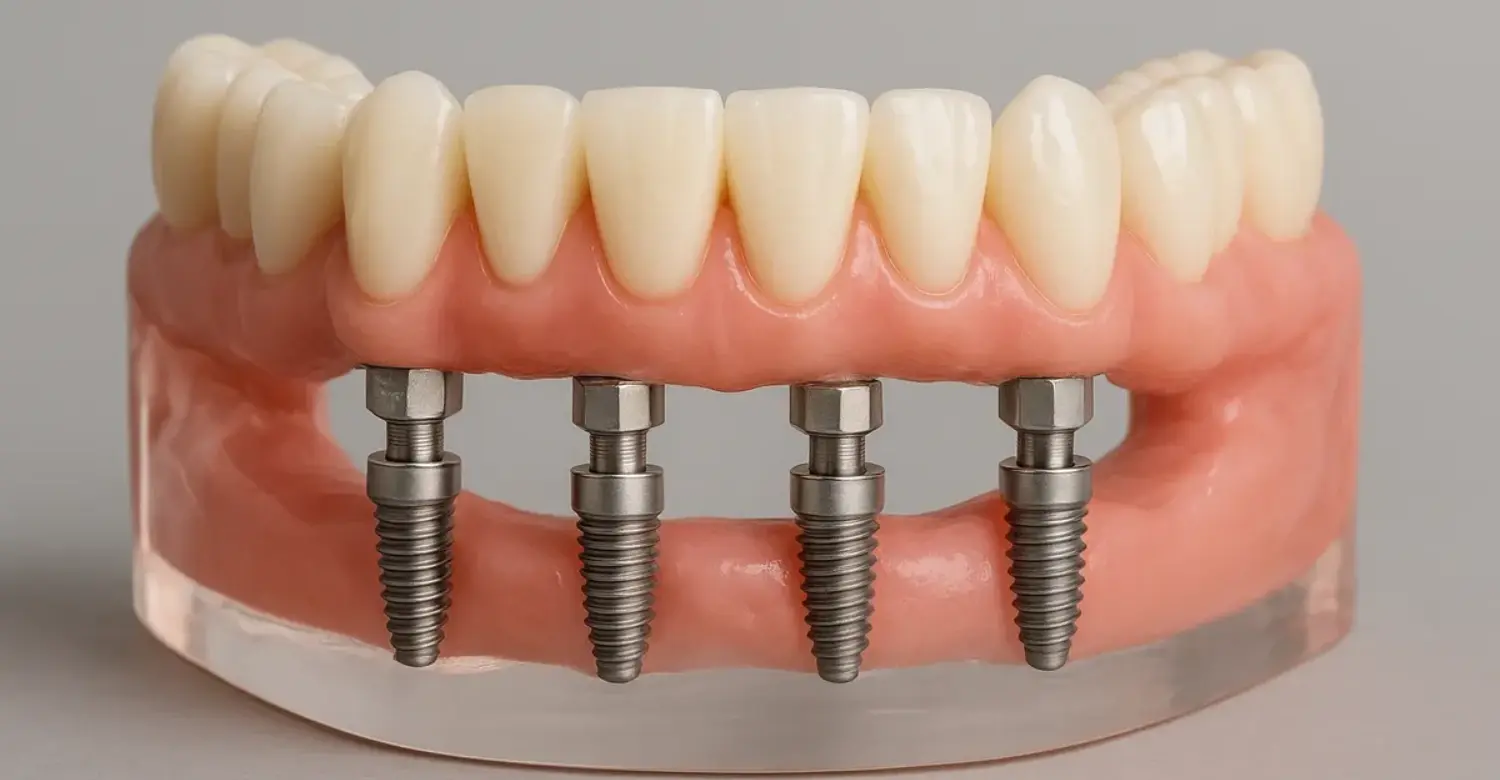
Several factors can influence the final cost of treatment. These include the number of implants needed, the type of restoration being placed, the complexity of the procedure, and whether additional treatments such as bone grafting or tooth extractions are required.
While dental implants may have a higher initial cost than traditional dentures or bridges, they are often considered a long-term investment in oral health. Implants are designed to be durable, stable, and long-lasting, helping many patients avoid the ongoing costs associated with replacing or adjusting other tooth replacement options.
Many patients also appreciate the benefits that extend beyond aesthetics. Dental implants can improve chewing function, speech clarity, comfort, and overall confidence, making them one of the most predictable and effective solutions for replacing missing teeth.
The most accurate way to determine the cost of your dental implant treatment is through a personalized consultation. After evaluating your oral health and treatment goals, your dentist can provide a customized treatment plan and detailed cost estimate tailored to your specific needs.
Does Insurance Cover Dental Implants?
Insurance coverage for dental implants varies depending on your specific dental insurance plan. While some plans may provide partial coverage for certain aspects of implant treatment, others may have limitations or exclusions related to implants.
In many cases, insurance may help cover portions of the procedure such as consultations, diagnostic imaging, tooth extractions, or the final dental crown. The amount covered can differ significantly from one provider to another, making it important to review your benefits carefully.
Even if your insurance does not fully cover dental implants, many patients are surprised to learn that a portion of their treatment may still qualify for benefits. An experienced dental team can often help verify coverage, explain benefits, and maximize any available insurance assistance.
For patients concerned about out-of-pocket costs, flexible financing options may also be available. Monthly payment plans can help make dental implant treatment more manageable and accessible without delaying the care you need.
The best way to understand your coverage is to schedule a consultation and have your benefits reviewed. A personalized estimate can provide a clearer picture of what your insurance may cover and what financial options are available for your treatment.
Why Patients Choose South Bay Dental Loft for Dental Implants in Torrance
Choosing the right provider for dental implants can make a significant difference in both your experience and long-term results. At South Bay Dental Loft, patients appreciate the combination of advanced technology, personalized care, and a commitment to helping every patient feel comfortable throughout treatment.
- Advanced 3D Digital Imaging and Precise Planning: Advanced imaging technology allows the team to carefully evaluate bone structure, plan implant placement with accuracy, and create treatment plans tailored to each patient's unique smile.
- Personalized Treatment for Every Smile: No two patients have the same dental needs. Every implant treatment plan is customized based on oral health, smile goals, and long-term function to help achieve the best possible outcome.
- Natural Looking and Long Lasting Results: Dental implants are designed to blend seamlessly with your natural teeth while restoring strength, comfort, and confidence. The goal is to create results that look beautiful and feel natural in everyday life.
- Comprehensive Solutions for Missing Teeth: Whether you need to replace a single tooth, multiple teeth, or an entire arch, South Bay Dental Loft offers customized implant options designed to restore both oral health and quality of life.
- Patient Focused Care with Dr. Gloria Luong: Reviews frequently highlight Dr. Gloria Luong's attention to detail, gentle chairside manner, and ability to clearly explain treatment options. Patients also often mention feeling comfortable and well-informed throughout their implant and cosmetic dentistry journey, helping them feel confident about their treatment decisions.
- Flexible Insurance and Financing Options: The team understands that cost is often one of the biggest concerns when considering dental implants. South Bay Dental Loft works with many PPO insurance plans and helps patients maximize available benefits whenever possible. Flexible financing options are also available to make treatment more affordable and manageable for a wide range of budgets.
- A Comfortable and Modern Dental Experience: From consultation to final restoration, patients can expect a welcoming environment, modern technology, and a team focused on delivering high-quality care with attention to comfort and long-term success.
For patients looking for trusted dental implants in Torrance, South Bay Dental Loft provides a personalized approach focused on restoring healthy, functional, and confident smiles that can last for years to come.
Beyond advanced technology and personalized treatment, many patients choose South Bay Dental Loft because of the positive experiences shared by others. Reviews frequently highlight Dr. Gloria Luong's gentle approach, attention to detail, and commitment to patient comfort. Patients often mention feeling well-informed throughout their treatment and appreciate the time she takes to explain procedures and answer questions, helping them feel confident in their dental care decisions.

.webp)