
IMPACTED CANINES
Torrance, CA
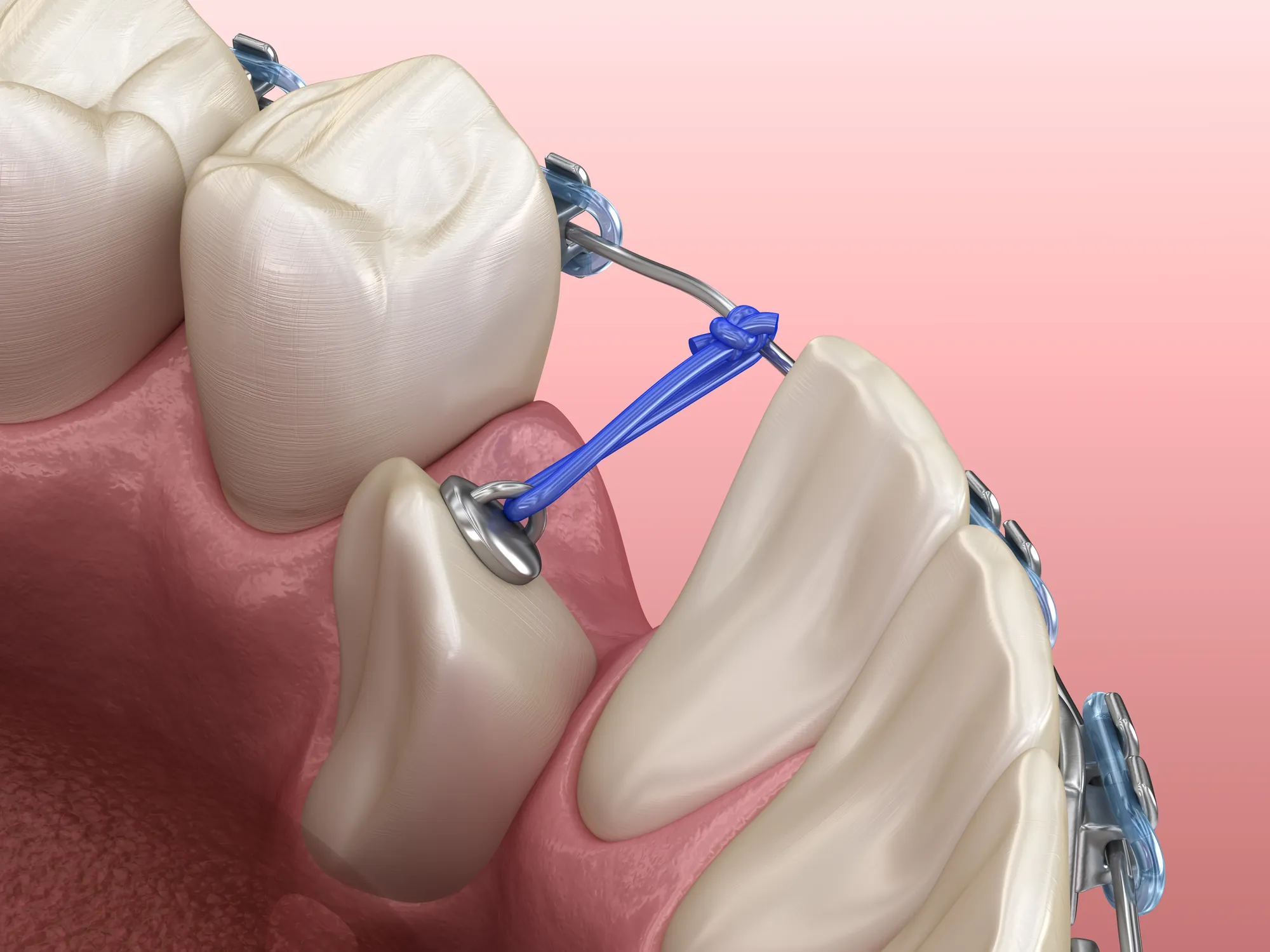
Surgical exposure, bonding, and removal of impacted canines, performed by oral and maxillofacial surgeon Dr. Victoria Chen.
What Are Impacted Canines?
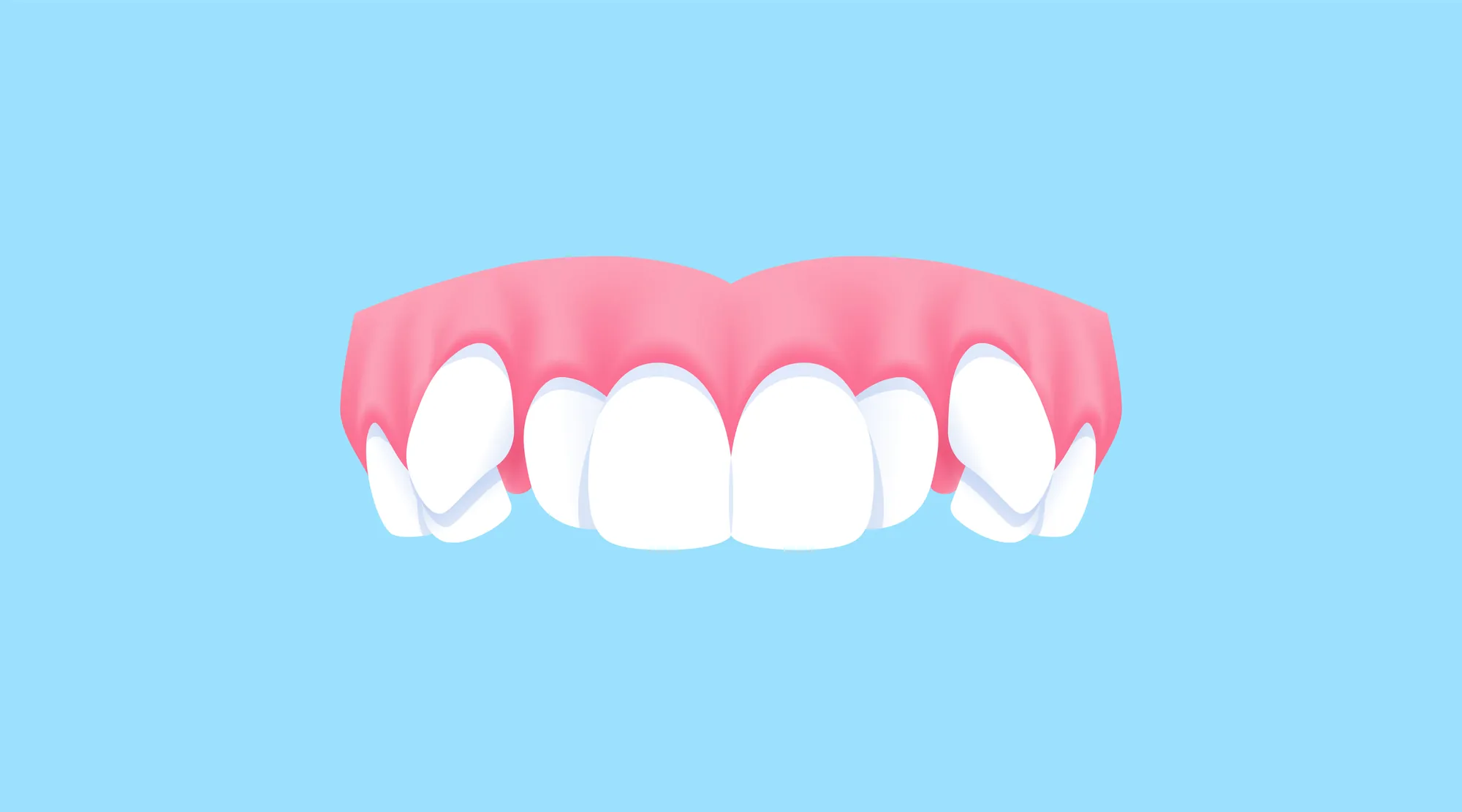
An impacted canine is an eye tooth that stays trapped beneath the gum or inside the jawbone instead of erupting. Upper canines are the second most commonly impacted teeth after wisdom teeth. Common causes include too little room in the arch, an extra tooth or cyst blocking the path, a baby canine that is not lost on time, or a tooth developing at the wrong angle.
Because the canine sits within bone close to the roots of other teeth, treatment starts with a surgical assessment. Dr. Chen uses 3D imaging to map the tooth’s exact position, then recommends the safest approach, whether that is surgical exposure so the tooth can be guided into place or careful removal when the tooth cannot be saved.
WHO BENEFITS FROM IMPACTED CANINE SURGERY?
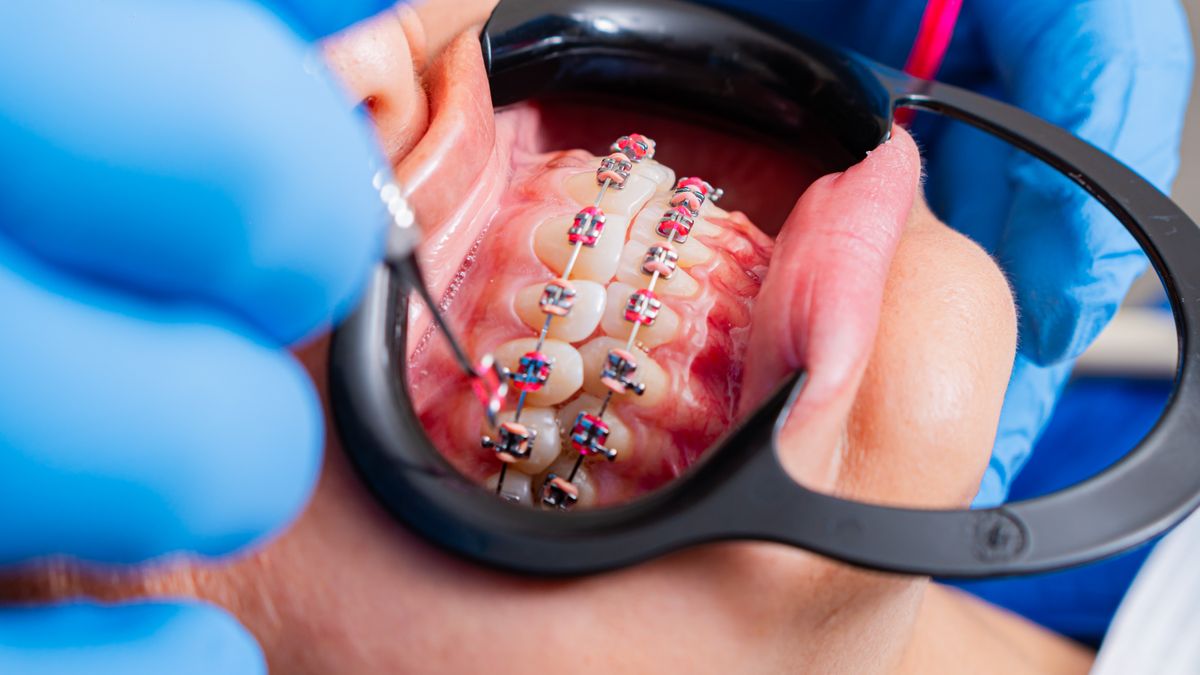
A surgical evaluation is recommended when a canine is late to erupt or shows up out of position on an X-ray.
Preteens and teens with a canine that has not erupted, since a baby canine still present after about age 12 or 13, or no bulge above the baby tooth, can signal an impacted adult canine.
Patients who need surgical exposure, since a canine buried in the palate or deep in bone must be uncovered and fitted with an attachment by a surgeon before it can be moved.
Adults with a canine that will not erupt, since adult canines are more likely to be fused to bone and may be better treated with removal and an implant or bridge.
Patients with root damage or cyst concerns, since a canine pressing on neighboring roots or surrounded by a cyst should be treated surgically to protect nearby teeth and bone.
THE BENEFITS OF IMPACTED CANINE SURGERY
Surgery planned with 3D imaging aims to save an important tooth while protecting the bone, gums, and teeth around it.

Save a Key Tooth
Exposing and bonding the canine gives it a path into the arch, preserving a tooth that is vital for biting and a natural smile line.
Protect Neighboring Roots
Treating a displaced canine early lowers the risk of resorption, or wearing away, of the roots of the front teeth beside it.
Precise 3D Surgical Planning
CBCT imaging shows the canine’s depth, angle, and distance from nearby roots, so the exposure can be kept as small as possible.
Comfort Options for Every Patient
Surgery can be done with local anesthesia or with sedation, so teens and adults can stay relaxed and comfortable.
Healthy Gum Around the Tooth
Choosing the right exposure technique helps the canine erupt with a firm band of healthy gum tissue around it.
A Plan If the Tooth Can’t Be Saved
If the canine is fused to bone or badly positioned, Dr. Chen can remove it and preserve the site for an implant or bridge.
THE IMPACTED CANINE SURGERY PROCESS
Every case is planned around the canine’s position, root development, the teeth nearby, and the patient’s age. Dr. Chen explains the surgical approach, anesthesia choices, risks, alternatives, and recovery before treatment.
BOOK NOWStep 1: Surgical Consultation
Dr. Chen examines the area, reviews your dental history, and checks whether a baby canine is still in place.
Step 2: 3D CBCT Imaging
A 3D scan pinpoints the canine’s depth and angle and shows how close it sits to nearby roots, nerves, and the sinus.
Step 3: Choosing the Surgical Approach
Based on the scan, Dr. Chen recommends open exposure, closed exposure, or removal, and shares the plan with your dentist or orthodontist.
Step 4: Anesthesia and Exposure
With local anesthesia or sedation, the gum and any bone covering the crown of the canine are gently removed.
Step 5: Bonding the Attachment
A small bracket with a fine gold chain is bonded to the tooth, and the gum is repositioned so the canine can be gently guided into place.
Step 6: Recovery and Follow-Up
Most patients return to normal activities within a few days. Dr. Chen checks healing, and guided eruption begins once the site has settled.
WHY CHOOSE SOUTH BAY DENTAL LOFT FOR IMPACTED CANINES
.webp)
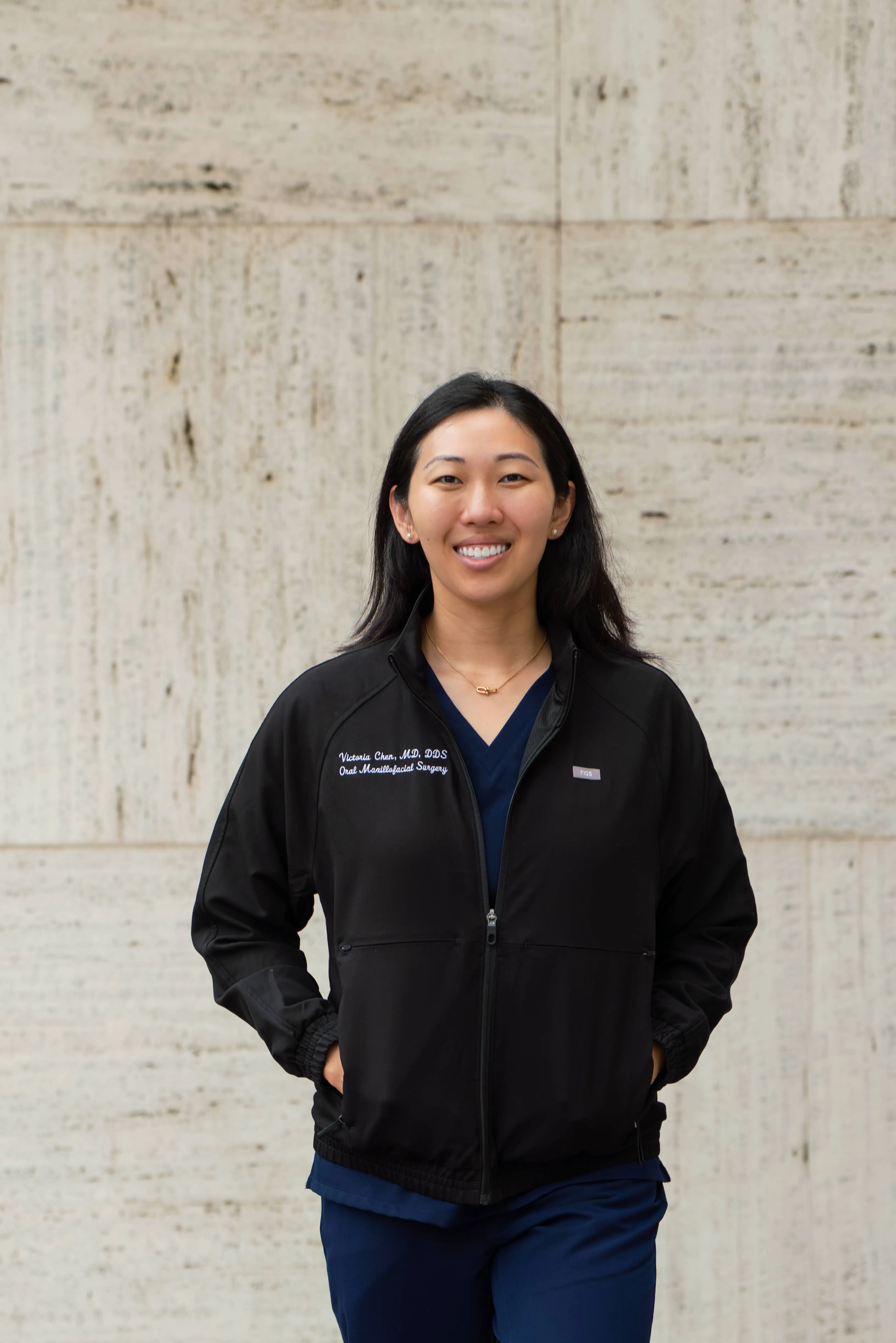
Dr. Victoria Chen’s dual dental and medical training and six-year UCLA oral and maxillofacial surgery residency support careful planning for impacted canine surgery, including 3D imaging review and anesthesia-related considerations.
She performs the exposure and bonding herself, choosing the technique that best protects neighboring roots and gum tissue, and sends clear surgical notes to the dentist or orthodontist who will guide the tooth.
At South Bay Dental Loft, surgical care stays connected to your broader dental plan, with clear aftercare instructions and direct follow-up from a team that knows you.
Frequently Asked Questions (FAQs)
Common questions about Impacted Canines in Torrance, CA
A baby canine that stays in place past the usual age, a gap where the adult canine should be, or findings on an X-ray are common signs. An exam with imaging confirms the tooth’s position.
It can damage the roots of nearby teeth, form a cyst, cause crowding or gaps, or leave a baby canine that eventually loosens. Early evaluation keeps more options open.
The area is fully numbed, and sedation is available. Mild soreness and swelling for a few days are common and are usually managed with over-the-counter medication.
In open exposure, the crown is left visible above the gum. In closed exposure, a bracket and chain are bonded and the gum is closed over the tooth, with the chain used to guide it down. The choice depends on the tooth’s position.
If the canine is fused to bone or too poorly positioned to move, Dr. Chen can remove it while preserving the bone. Options then include an implant, a bridge, or closing the space.
Have more questions?
Contact our office to speak with Dr. Chen and get the answers you need to move forward with confidence.
Experience dentistry reimagined with luxurious amenities, a relaxing spa-like atmosphere, and a dedicated team committed to your beautiful, healthy smile.
Get in Touch
Simple secure and safe free parking located on-site.
Phone
Call us now!
Address
Get directions
3610 Lomita Blvd #203
Torrance, CA 90505
Hours
Mon - Thu
8:00am - 5:00pm
Fri - Sun
Closed

.webp)