

TMJ DISORDER TREATMENT
Torrance, CA
Diagnosis-first care for jaw pain, clicking, locking, limited opening, and related muscle or joint symptoms.
What Are TMJ Disorders?
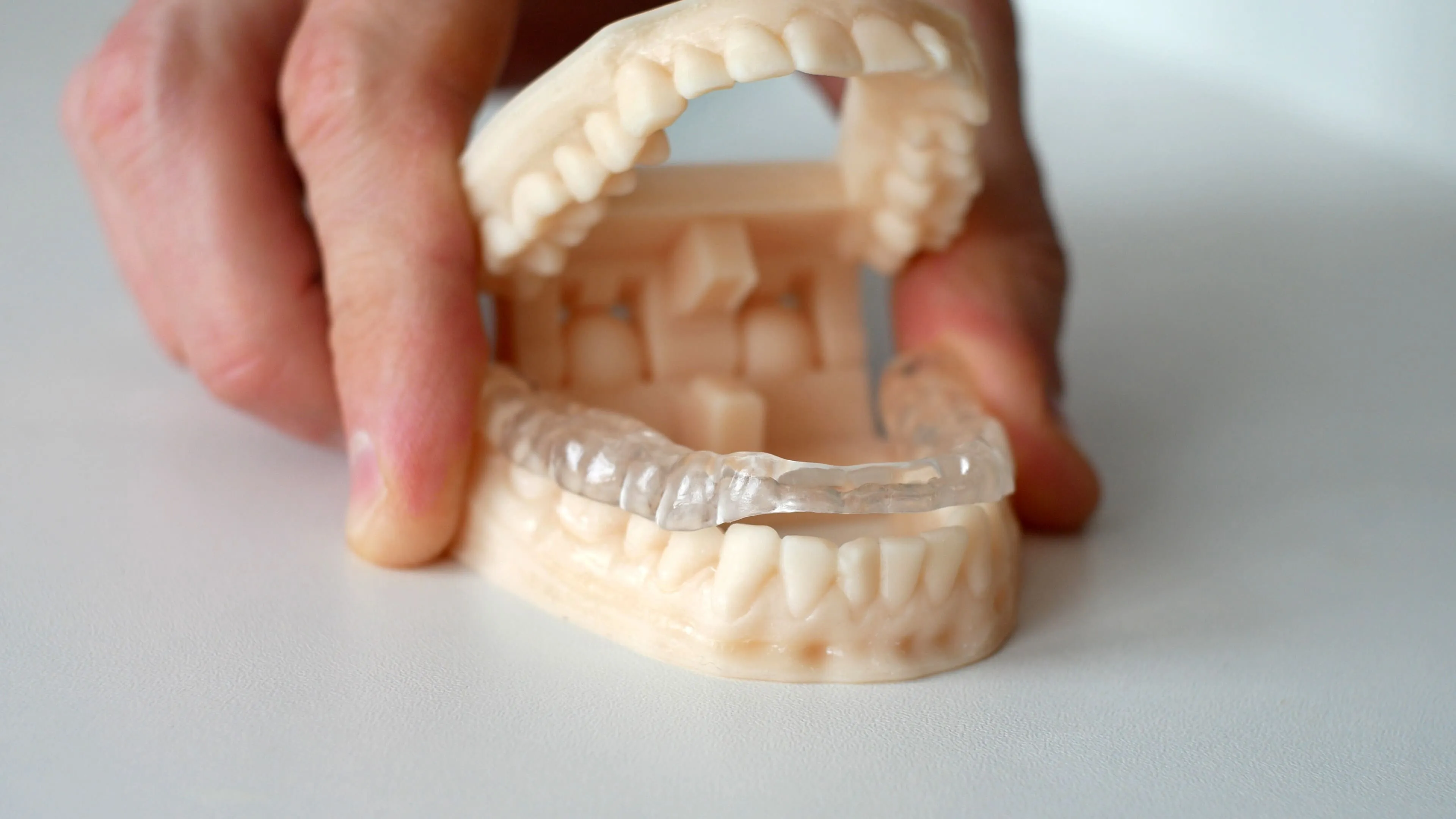
Temporomandibular disorders, often called TMD or TMJ disorders, are a group of conditions affecting the jaw joints, chewing muscles, and related structures. Symptoms can include pain, tenderness, clicking, locking, headaches, or difficulty opening and chewing.
Because similar symptoms can come from the joint, muscles, teeth, bite, injury, or another health condition, treatment begins with a focused evaluation. Not every click requires treatment, and the recommended plan depends on the diagnosis and how symptoms affect daily function.
WHO BENEFITS FROM TMJ DISORDER TREATMENT?

An evaluation may help when jaw symptoms persist, limit normal function, recur, or are accompanied by a change in bite or range of motion.
Patients with jaw pain or tenderness Pain near the ear, temple, cheek, or chewing muscles may indicate joint or muscle involvement.
Patients with clicking, locking, or limited opening. New or worsening joint sounds, episodes of locking, or difficulty opening deserve assessment, especially when painful.
Patients with clenching-related muscle symptoms. Morning soreness, fatigue with chewing, or tension headaches may be associated with overworked jaw muscles.
Patients with a bite change or prior injury. A sudden change in how the teeth meet, facial trauma, or progressive asymmetry requires prompt evaluation.
THE BENEFITS OF TMJ DISORDER TREATMENT
An accurate diagnosis can guide targeted care, reduce unnecessary treatment, improve jaw function, and identify when specialist or medical coordination is needed.

A Clear, Diagnosis-First Plan
A focused evaluation helps distinguish joint, muscle, dental, bite, injury, and other possible contributors before treatment begins.
Improved Comfort and Jaw Function
Appropriate care may reduce pain, improve opening and chewing, and make daily activities more comfortable.
Coordinated Care When Needed
Your plan can connect conservative treatment with physical therapy, sleep, orthodontic, medical, or surgical evaluation when appropriate.
THE TMJ EVALUATION AND TREATMENT PROCESS
Care starts with a focused diagnosis and progresses from the least invasive appropriate options, with reassessment before treatment is advanced.
BOOK NOWStep 1: Focused TMJ Evaluation
We review symptoms, jaw movement, bite, muscle tenderness, joint sounds, health history, and any prior treatment.
Step 2: Diagnosis and Initial Plan
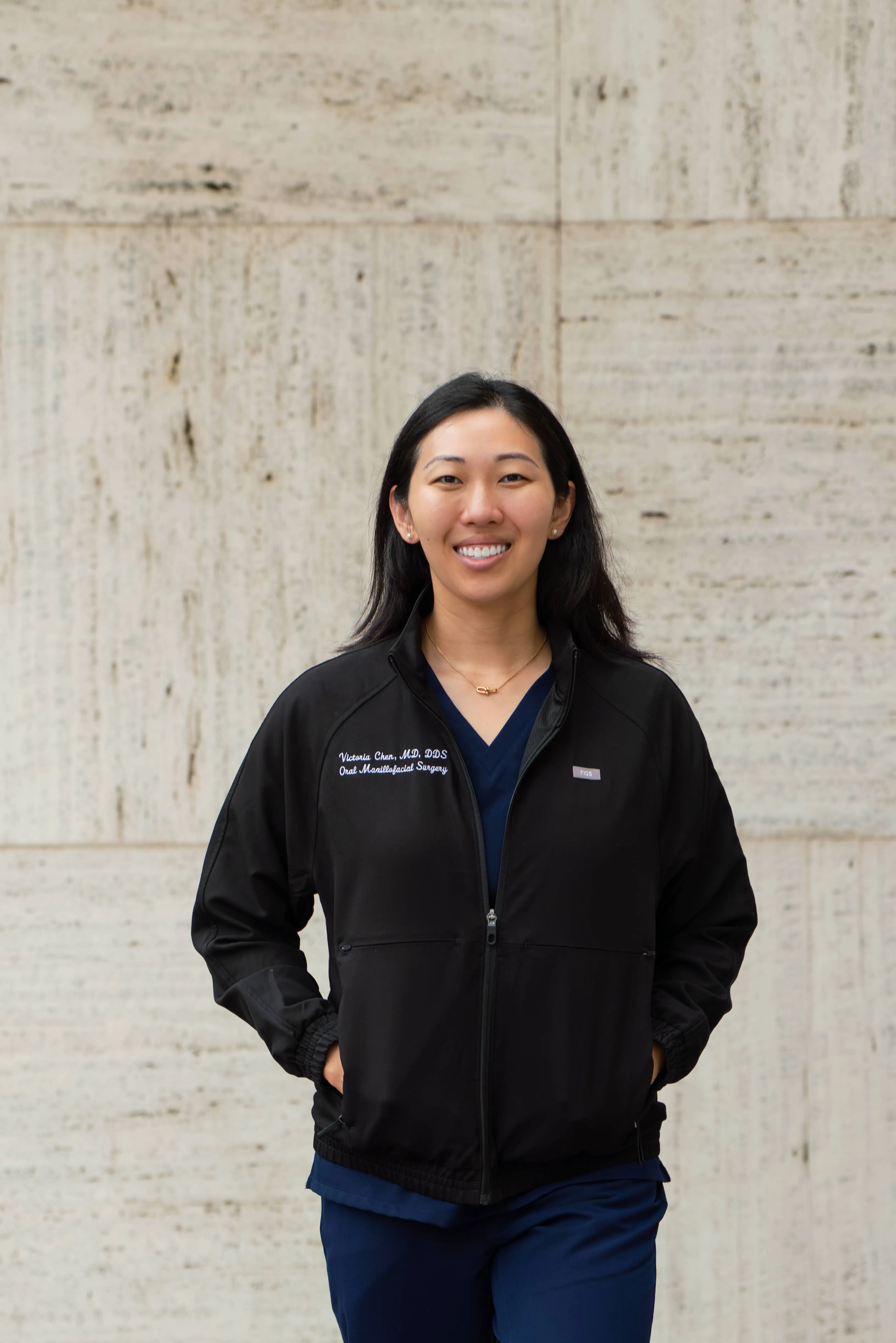
Dr. Chen explains the most likely contributors and recommends the least invasive appropriate treatment, imaging, or referral.
Step 3: Conservative Treatment and Monitoring
Care may include behavior changes, medication guidance, an oral appliance, physical therapy, or coordinated dental or medical care when appropriate.
Step 4: Reassessment and Next Steps
Progress is reviewed so treatment can be adjusted, continued, or escalated based on function and response.
WHY CHOOSE SOUTH BAY DENTAL LOFT FOR TMJ DISORDER TREATMENT
.webp)
Dr. Victoria Chen's oral and maxillofacial surgery training includes TMJ disorders, facial pain, imaging interpretation, and management of surgical and nonsurgical jaw conditions.
She starts with history and examination, recommends imaging only when it may change care, and explains conservative options, procedure-based care, referral, and realistic expectations.
Your evaluation remains connected to your dental records and broader health goals, with coordinated follow-up if orthodontic, physical therapy, sleep, medical, or hospital-based care is appropriate.
Frequently Asked Questions (FAQs)
Common questions about TMJ Disorder Treatment in Torrance, CA
No. Painless clicking without locking or limited function may not need treatment. New, painful, or worsening symptoms should be evaluated.
TMJ refers to the temporomandibular joint. TMD is the broader term for disorders affecting the joint, chewing muscles, and related structures.
Most TMJ disorders are managed without surgery. Surgical evaluation is reserved for selected diagnoses or symptoms that do not respond to appropriate conservative care.
An appliance may help selected patients, but it is not appropriate for every cause of jaw pain. Fit, diagnosis, and follow-up matter.
Seek prompt evaluation after facial trauma, for a sudden bite change, severe swelling, fever, or a jaw that is locked open or closed.
Have more questions?
Contact our office to speak with Dr. Chen and get answers about TMJ evaluation and treatment.
Experience dentistry reimagined with luxurious amenities, a relaxing spa-like atmosphere, and a dedicated team committed to your beautiful, healthy smile.
Get in Touch
Simple secure and safe free parking located on-site.
Phone
Call us now!
Address
Get directions
3610 Lomita Blvd #203
Torrance, CA 90505
Hours
Mon - Thu
8:00am - 5:00pm
Fri - Sun
Closed

.webp)