
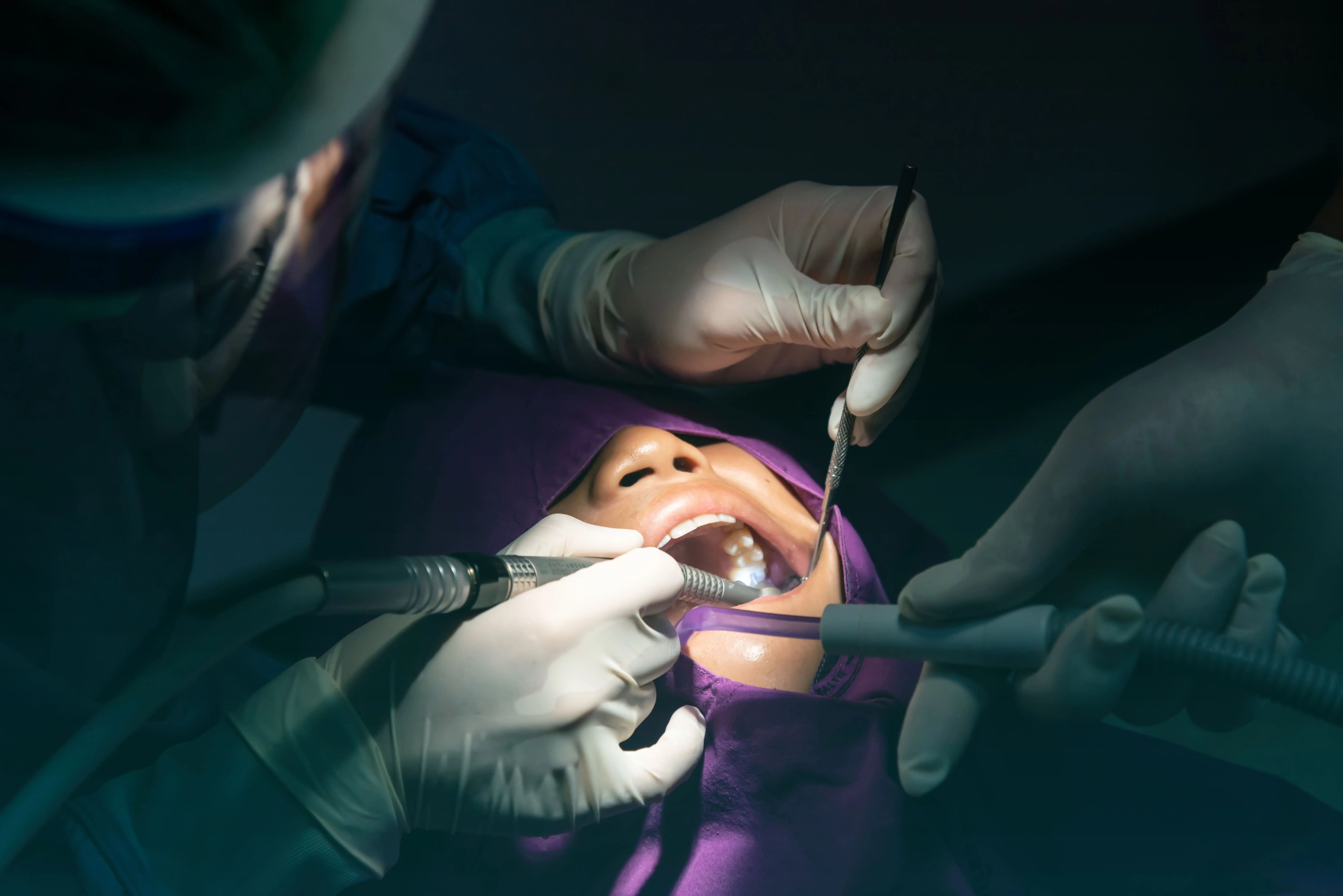
WISDOM TEETH REMOVAL
Torrance, CA
Specialist evaluation and precise surgical care for impacted, painful, or hard-to-clean wisdom teeth, planned around your comfort and recovery.
What Is Wisdom Teeth Removal?
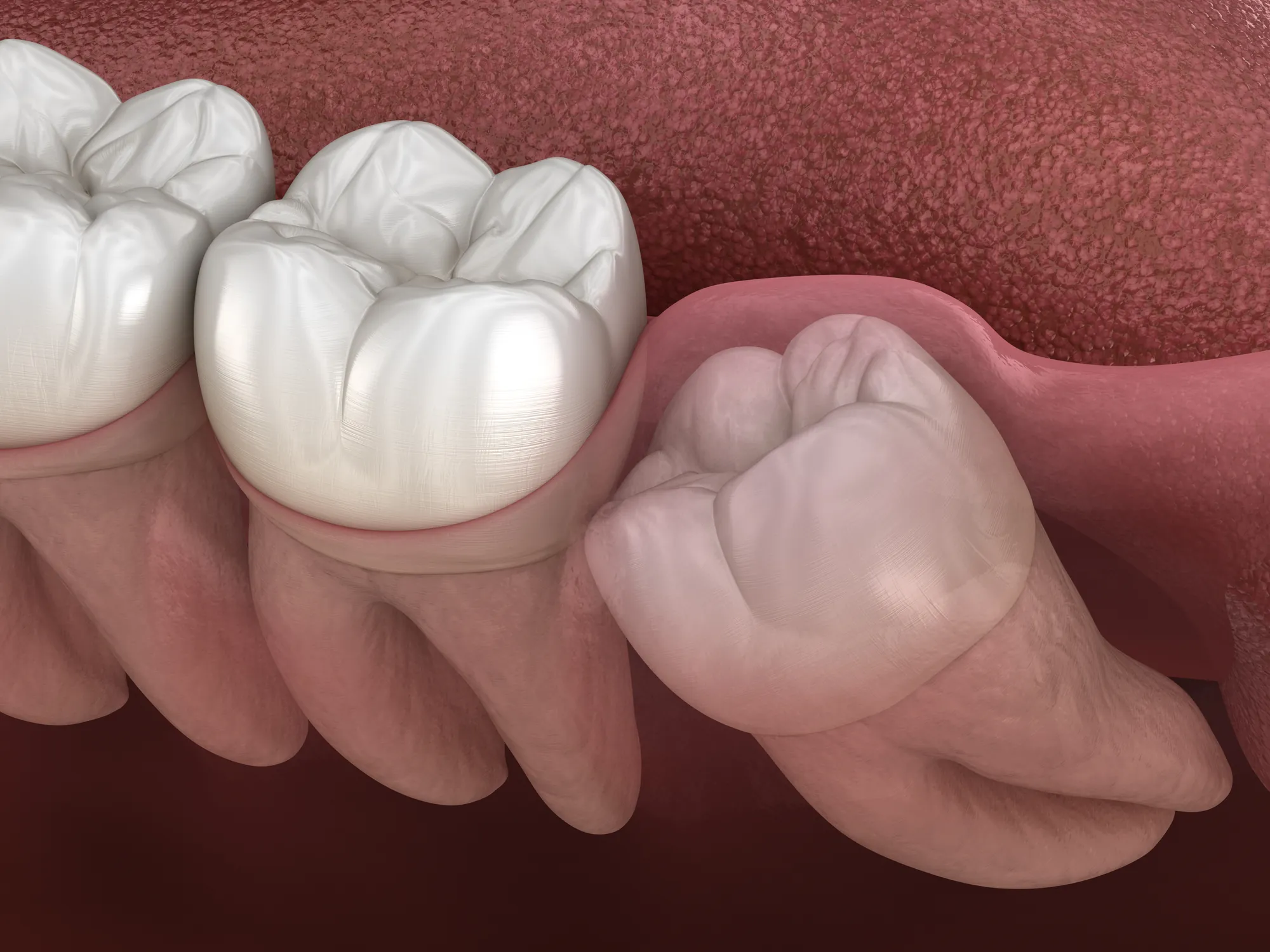
Wisdom teeth are the last permanent molars to develop. When there is not enough room for them to erupt normally, they may remain partly or fully impacted beneath the gum or bone.
Removal is a planned surgical procedure used when wisdom teeth cause pain, infection, hygiene problems, damage to nearby teeth, or another meaningful disease risk. Not every wisdom tooth needs removal, so treatment begins with an individualized examination and appropriate imaging.
WHO BENEFITS FROM WISDOM TEETH REMOVAL?

Wisdom teeth removal may benefit patients whose symptoms, hygiene challenges, or imaging findings show that keeping a third molar could affect oral health.
Patients with pain or swelling – Recurring tenderness, jaw stiffness, swelling, or discomfort behind the back molars can signal inflammation, infection, or pressure from an impacted tooth.
Patients with impacted or partly erupted teeth – Teeth trapped beneath gum or bone, angled toward a neighboring molar, or difficult to clean may need surgical evaluation.
Patients with infection or gum problems – Inflamed tissue, food trapping, bad taste, or repeated infection around a partly erupted tooth can recur without definitive treatment.
Patients with damage or disease risk – Cavities, bone loss, cyst-like changes, or damage to the adjacent second molar may be found during examination or imaging.
THE BENEFITS OF WISDOM TEETH REMOVAL
Removing a problematic wisdom tooth can treat current disease and help protect nearby teeth, gums, and bone from preventable future damage.

Treat Pain and Infection
Removal can address pain, swelling, inflamed gum tissue, and recurring infection associated with a problematic wisdom tooth.
Protect Nearby Teeth
Treating an impacted or hard-to-clean third molar can help reduce decay, bone loss, and root damage affecting the neighboring second molar.
Support Easier Hygiene
Removing a tooth that repeatedly traps food or cannot be cleaned predictably can make the back of the mouth easier to maintain.
THE WISDOM TEETH REMOVAL PROCESS
Every case begins with a clinical and imaging evaluation. Dr. Chen then explains which teeth may need removal, the safest appropriate surgical approach, anesthesia options, recovery, risks, and alternatives.
BOOK NOWStep 1: Consultation and Imaging
We review symptoms, health history, medications, examination findings, and appropriate dental imaging.
Step 2: Personalized Surgical Plan
Dr. Chen explains the recommended teeth, surgical approach, comfort options, alternatives, expected recovery, and risks.
Step 3: Comfort-Focused Procedure
The area is numbed and each tooth is carefully removed. Sedation or general anesthesia may be considered when appropriate.
Step 4: Recovery and Follow-Up
You receive written aftercare guidance, expectations for the first few days, and direct support if concerns arise.
WHY CHOOSE SOUTH BAY DENTAL LOFT FOR WISDOM TEETH REMOVAL
.webp)
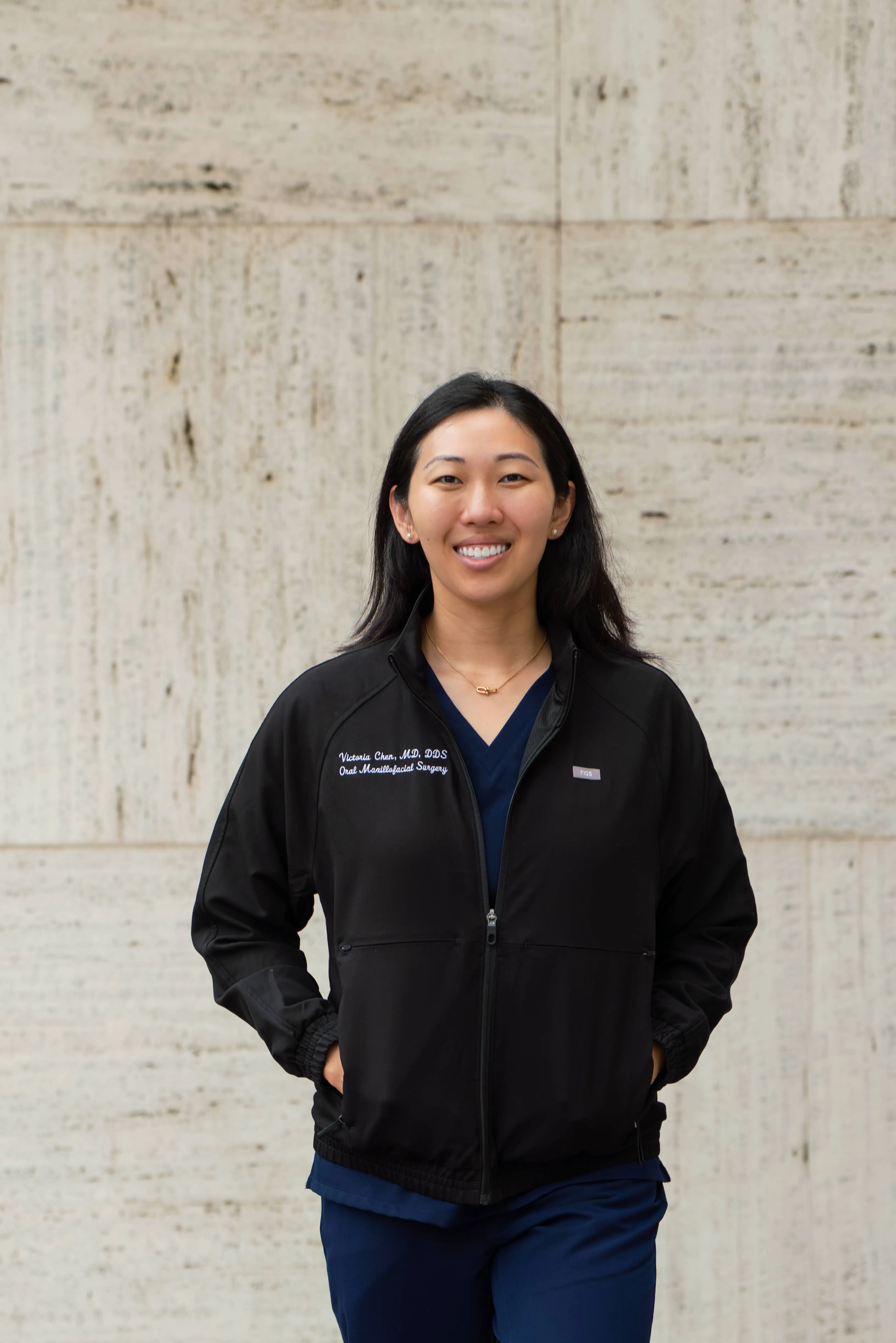
Dr. Victoria Chen completed a six-year oral and maxillofacial surgery residency at UCLA, including a general surgery internship and extensive training in wisdom teeth and dentoalveolar surgery.
Her dual dental and medical training supports careful diagnosis, surgical planning, and management of anesthesia-related considerations. She explains the findings, alternatives, expected recovery, and risks before treatment so you can make an informed decision.
At South Bay Dental Loft, surgical care stays connected to your broader dental plan in a familiar, welcoming setting, with clear aftercare instructions and direct follow-up from a team that knows you.
Frequently Asked Questions (FAQs)
Common questions about Wisdom Teeth Removal in Torrance, CA
No. Healthy, fully erupted wisdom teeth that can be cleaned and monitored may not require removal. Examination and imaging guide the recommendation.
There is no single best age for everyone. Timing depends on tooth development, symptoms, disease risk, anatomy, and overall health.
Treatment may use local anesthesia, with or without sedation or general anesthesia. Dr. Chen will review appropriate options for the procedure and your medical history.
Many patients return to routine non-strenuous activity within several days, although swelling, soreness, and jaw stiffness can last longer.
A dry socket occurs when the protective clot is lost or breaks down before healing progresses. Following aftercare instructions, especially avoiding smoking and suction, helps reduce risk.
Have more questions?
Contact our office to speak with Dr. Chen and get the answers you need to move forward with confidence.
Experience dentistry reimagined with luxurious amenities, a relaxing spa-like atmosphere, and a dedicated team committed to your beautiful, healthy smile.
Get in Touch
Simple secure and safe free parking located on-site.
Phone
Call us now!
Address
Get directions
3610 Lomita Blvd #203
Torrance, CA 90505
Hours
Mon - Thu
8:00am - 5:00pm
Fri - Sun
Closed

.webp)