
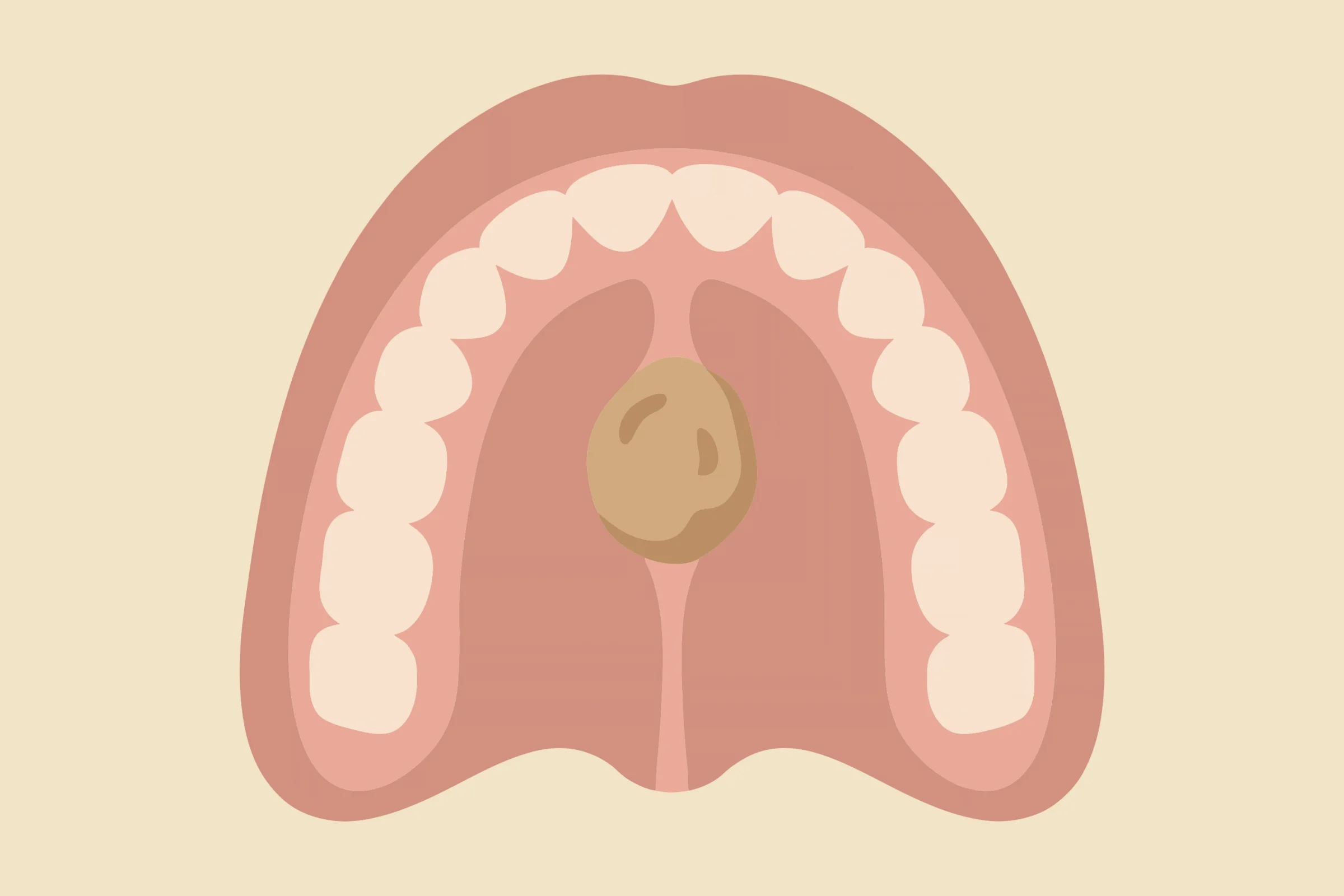
PALATAL TORUS REMOVAL
Torrance, CA
Specialist-led removal of bony growths on the roof of the mouth that interfere with dentures, eating, or speech.
What Is a Palatal Torus?
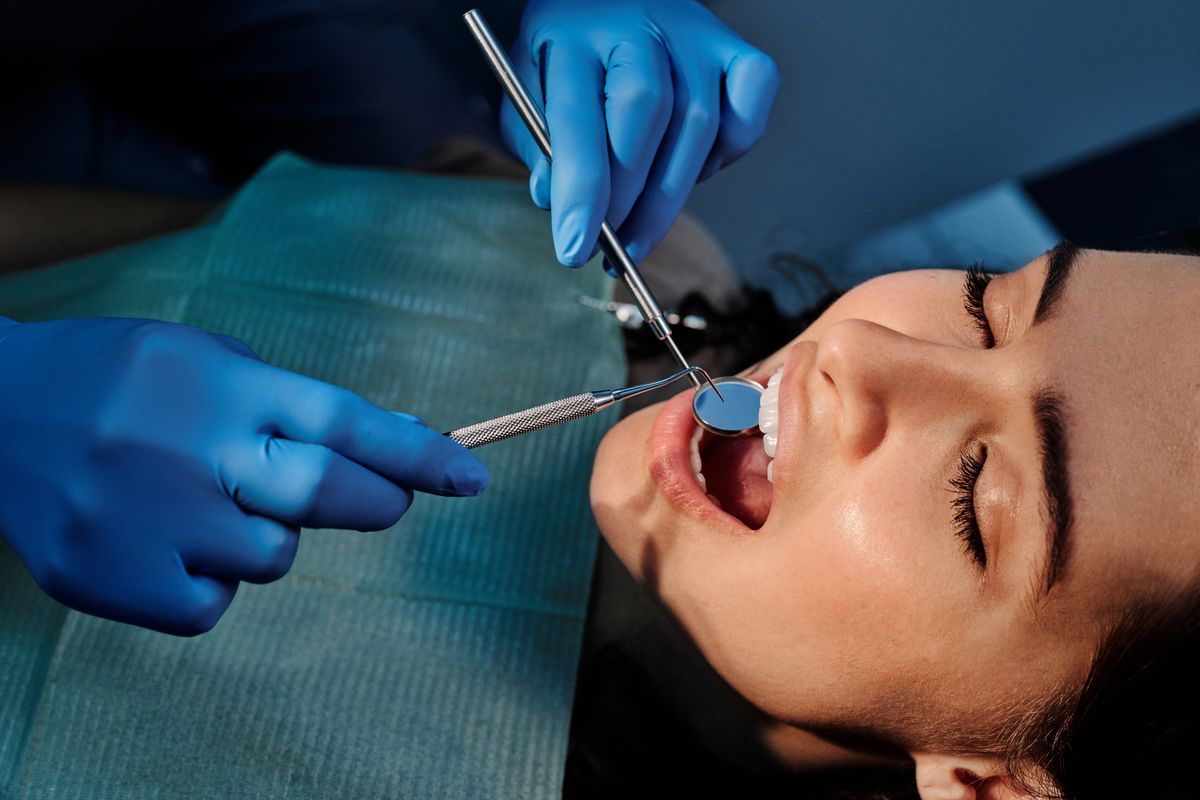
A palatal torus, or torus palatinus, is a hard bony growth in the middle of the roof of the mouth. It can be flat, rounded, or lobed and is benign. Many people have one for years without needing treatment.
Removal may be recommended when a torus interferes with an upper denture, is repeatedly injured while eating, or affects speech or comfort. Oral surgery training supports careful reduction of the bone while protecting the palate and the nasal floor above it.
WHO BENEFITS FROM PALATAL TORUS REMOVAL?
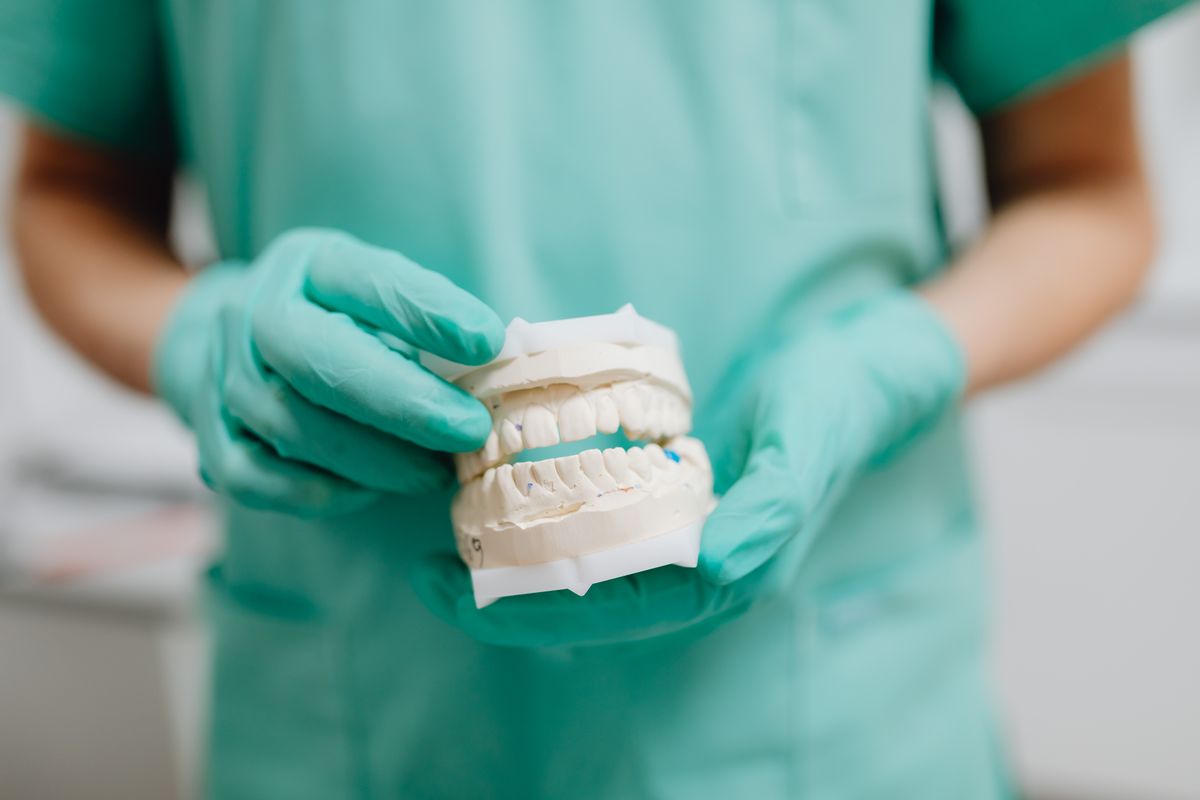
Removal is typically considered when a palatal torus affects function, comfort, or planned dental treatment.
Patients planning an upper denture, because a palatal torus can prevent an upper denture from fitting, sealing, or staying stable during chewing.
Patients with frequent sores or irritation, because the thin tissue over the torus is easily scraped by hard or sharp foods and can be slow to heal.
Patients with speech or eating concerns, because a large torus can crowd the tongue and make speaking, chewing, or swallowing uncomfortable.
Patients with a growing or changing torus, which should be evaluated, with removal discussed after examination.
THE BENEFITS OF PALATAL TORUS REMOVAL
Carefully reducing a palatal torus can improve comfort and prepare the mouth for successful dental treatment.

Better Denture Fit
A smoother palate can help an upper denture seal properly and feel more stable and comfortable.
Less Irritation
Removing a torus that is repeatedly injured can reduce painful sores from food, utensils, or appliances.
Improved Comfort and Speech
Reducing a large torus can give the tongue more room and make speaking, chewing, and swallowing easier.
Room for Future Treatment
Reducing a torus can make an upper denture, palatal appliance, or other restorative work possible.
Confirmed Diagnosis
Removed tissue can be sent for evaluation when appropriate, giving you peace of mind about any unusual growth.
Protected Healing
When a palatal splint is used, it covers the area and improves comfort while the tissue heals.
THE PALATAL TORUS REMOVAL PROCESS
Every case is planned around the size and shape of the torus, your health history, and any upcoming dental treatment. Dr. Chen explains the approach, comfort options, risks, alternatives, and recovery before treatment.
BOOK NOWStep 1: Exam and Imaging
We evaluate the size and shape of the torus and review imaging to understand the bone and nasal floor above it.
Step 2: Surgical Planning
Dr. Chen reviews the approach, anesthesia or sedation options, and whether a protective palatal splint will be used during healing.
Step 3: Preparing for Surgery
You receive pre-operative instructions, and a protective splint is made in advance if one will be used.
Step 4: Controlled Bone Reduction
The tissue is gently lifted, the torus is reduced in sections and smoothed, and the area is closed with sutures.
Step 5: Recovery at Home
A soft diet and careful rinsing protect the palate while it heals, typically over a few weeks.
Step 6: Follow-Up and Next Steps
We check healing and coordinate timing for your denture or other restorative treatment.
WHY CHOOSE SOUTH BAY DENTAL LOFT FOR PALATAL TORUS REMOVAL
.webp)
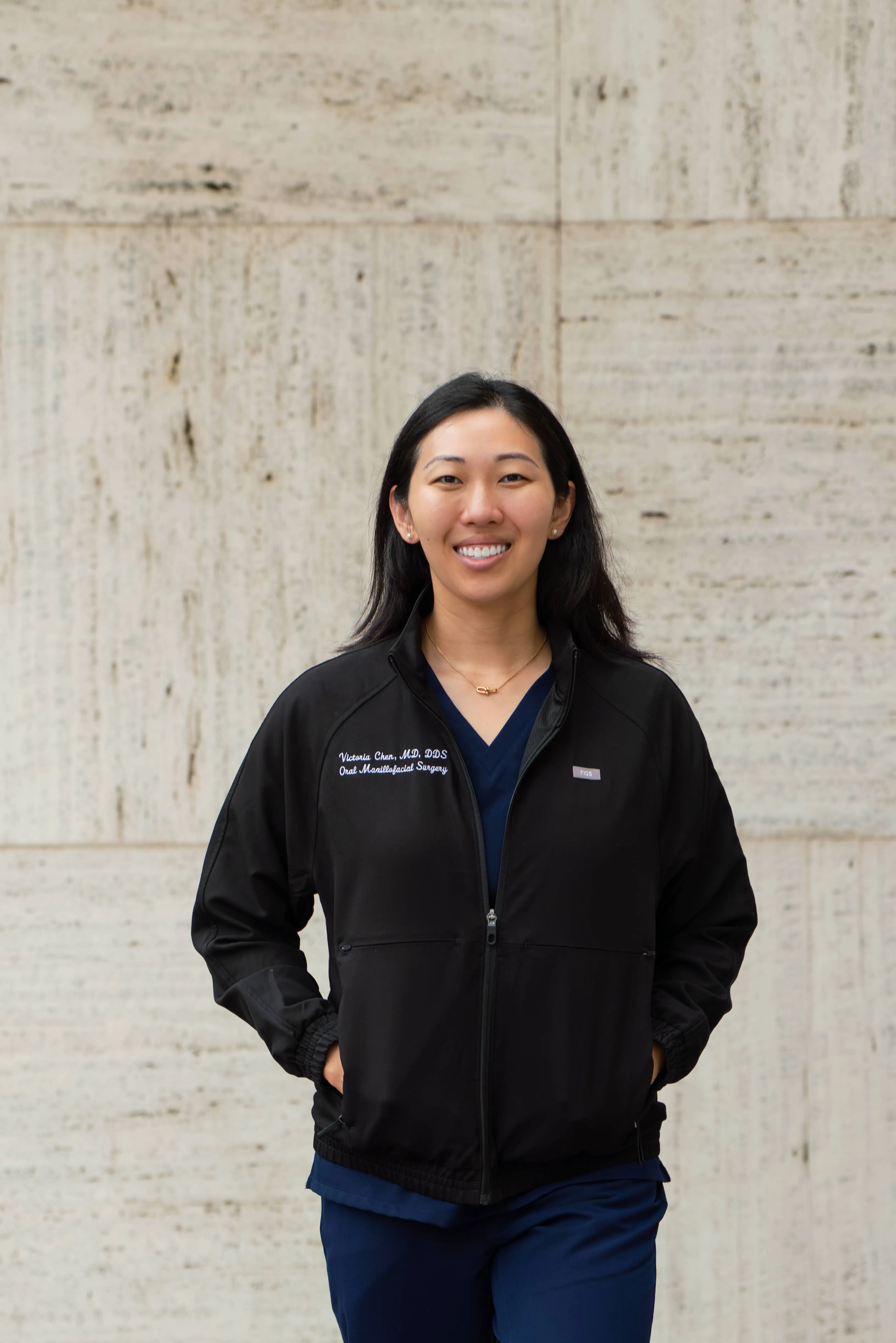
Dr. Victoria Chen’s dual dental and medical training and six-year UCLA oral and maxillofacial surgery residency support careful planning for palatal surgery, including imaging review and anesthesia-related considerations.
She uses imaging to plan a controlled reduction that protects the nasal floor and palatal tissue, and coordinates timing with your denture or restorative plan.
At South Bay Dental Loft, surgical care stays connected to your broader dental plan, with clear aftercare instructions and direct follow-up from a team that knows you.
Frequently Asked Questions (FAQs)
Common questions about Palatal Torus Removal in Torrance, CA
No. A palatal torus is a benign bony growth. Any new or changing growth in the mouth should still be examined to confirm what it is.
Removal is usually considered when it interferes with a denture, causes repeated sores, or affects speech, eating, or comfort.
The procedure is performed with local anesthesia, with sedation available. Soreness and swelling are common for several days and are usually manageable with medication.
Many people return to normal activities within a few days. The palate often takes a few weeks to fully heal, and a soft diet is recommended early on.
Sometimes. A thin protective splint may be used to cover the palate, reduce bleeding, and improve comfort while the tissue heals.
Have more questions?
Contact our office to speak with Dr. Chen and get the answers you need to move forward with confidence.
Experience dentistry reimagined with luxurious amenities, a relaxing spa-like atmosphere, and a dedicated team committed to your beautiful, healthy smile.
Get in Touch
Simple secure and safe free parking located on-site.
Phone
Call us now!
Address
Get directions
3610 Lomita Blvd #203
Torrance, CA 90505
Hours
Mon - Thu
8:00am - 5:00pm
Fri - Sun
Closed

.webp)