
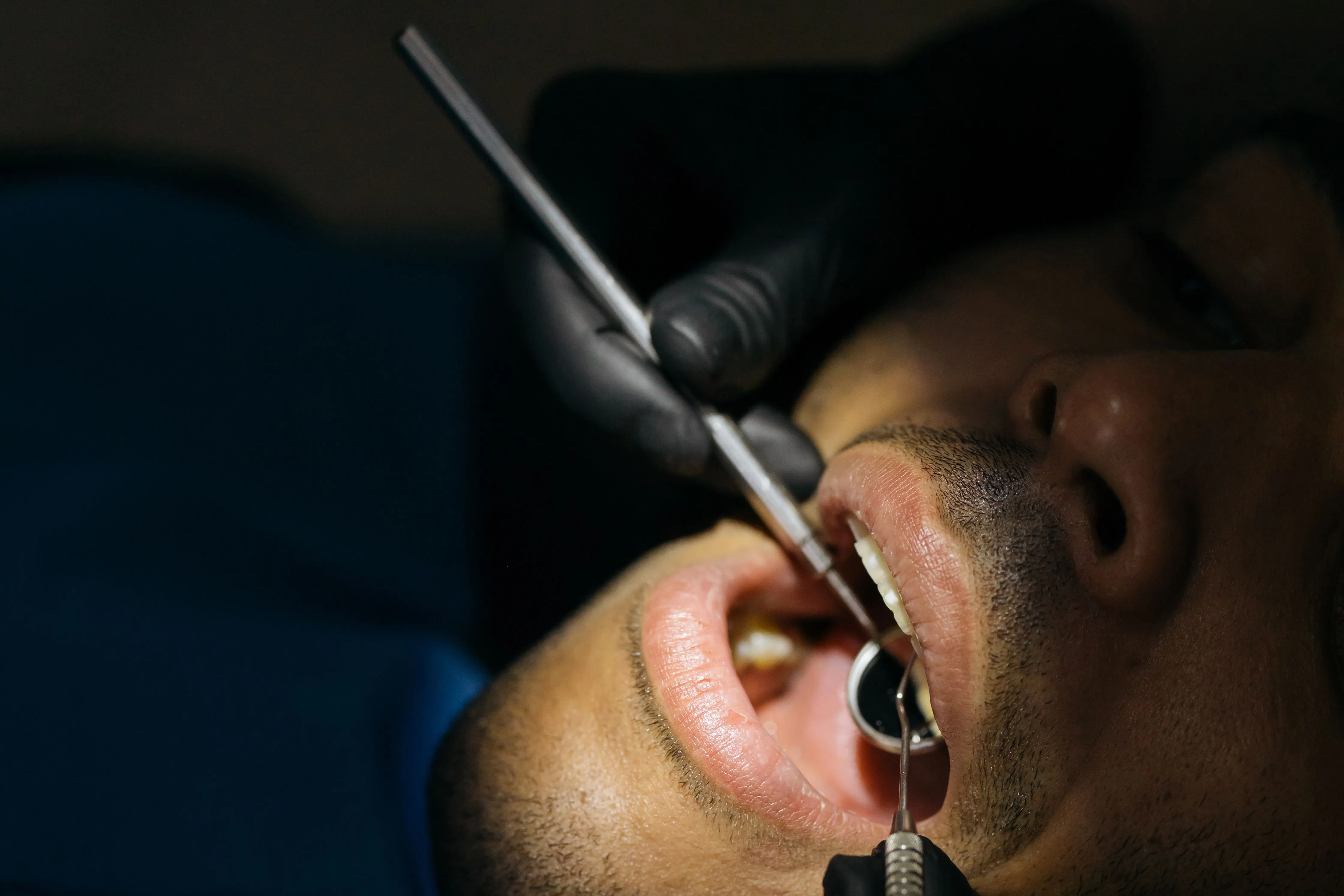
ORAL PATHOLOGY & BIOPSY
Torrance, CA
Careful evaluation of unusual sores, lumps, color changes, or other oral findings, with biopsy when tissue diagnosis is needed.
What Is an Oral Biopsy?
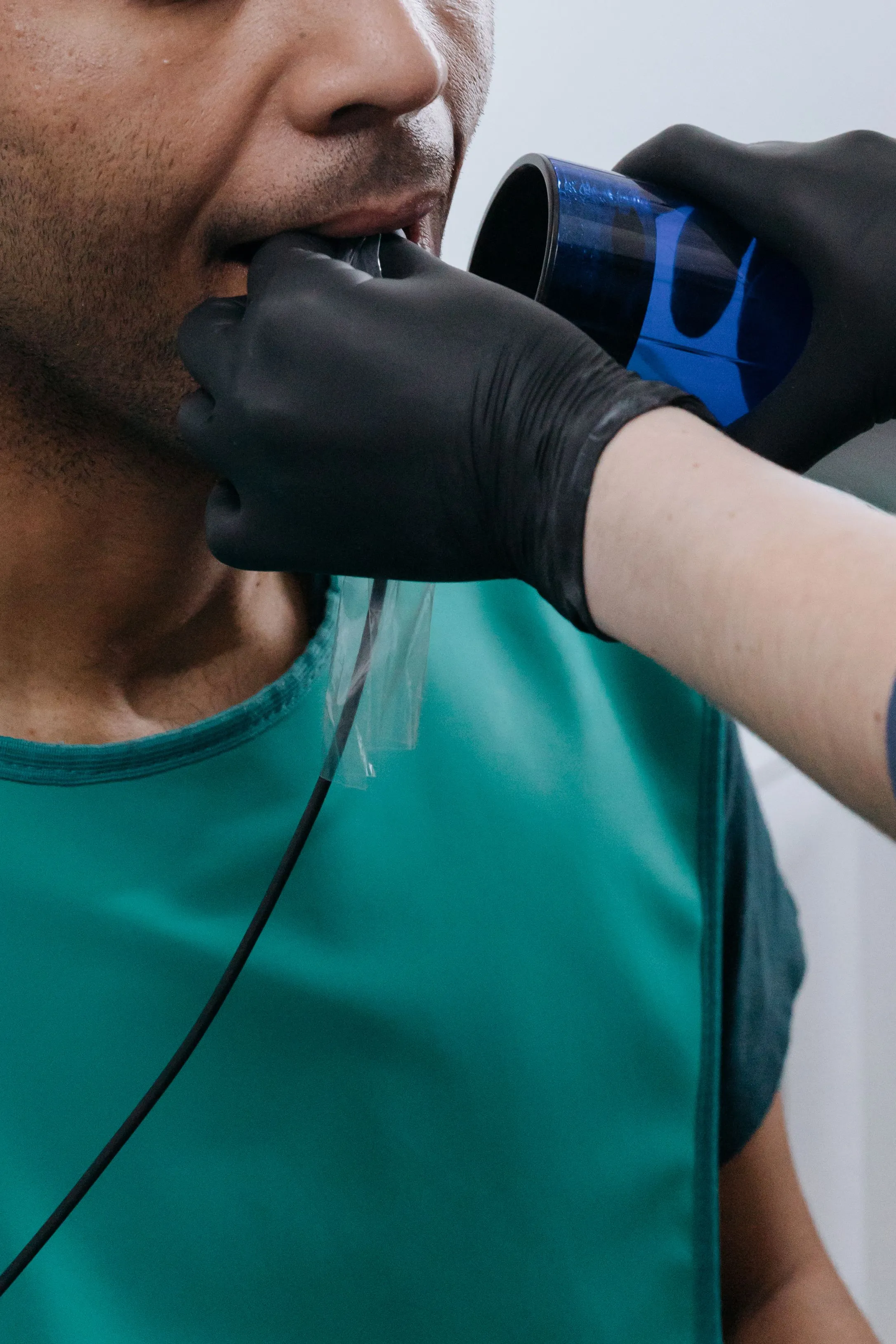
An oral pathology evaluation assesses changes involving the lips, tongue, cheeks, gums, palate, jaw, salivary glands, or other oral tissues. Many findings are benign, but appearance alone cannot always establish a diagnosis.
A biopsy removes a small tissue sample, or sometimes an entire small lesion, for examination by a pathologist. The result helps determine whether observation, treatment, additional testing, or referral is appropriate.
WHO BENEFITS FROM ORAL PATHOLOGY & BIOPSY?
.webp)
A persistent or unexplained oral change should be examined, especially when it lasts about two weeks, grows, returns, or causes other symptoms.
Patients with sores or ulcers – An area that does not heal, repeatedly bleeds, or returns in the same location deserves evaluation.
Patients with lumps or thickening – A new bump, firm area, swelling, or change in tissue texture may require further testing.
Patients with color changes – White, red, dark, or mixed patches that cannot be explained by a short-lived injury should be assessed.
Patients with other warning signs. Unexplained numbness, pain, swallowing difficulty, limited tongue movement, or a neck mass warrant prompt evaluation.
THE BENEFITS OF ORAL BIOPSY
A focused examination and tissue diagnosis can turn uncertainty into an appropriate next step.

Clarify the Diagnosis
A pathology report can identify benign, inflammatory, precancerous, or malignant changes.
Guide the Next Step
Results help determine whether observation, treatment, surveillance, or referral is appropriate.
Support Earlier Detection
Prompt evaluation of persistent changes can identify serious disease at an earlier stage.
THE ORAL BIOPSY PROCESS
Evaluation and biopsy are planned to obtain the right diagnostic information while keeping the procedure focused and understandable.
BOOK NOWStep 1: Focused Evaluation
We review duration, symptoms, health history, risk factors, medications, and prior treatment.
Step 2: Diagnostic Plan
Dr. Chen explains whether observation, imaging, testing, biopsy, or referral is appropriate.
Step 3: Biopsy Procedure
After local anesthesia, a tissue sample is removed and sent to a pathology laboratory.
Step 4: Results and Next Steps
We explain the report and coordinate treatment, monitoring, or referral when needed.
WHY CHOOSE SOUTH BAY DENTAL LOFT FOR ORAL PATHOLOGY & BIOPSY
.webp)
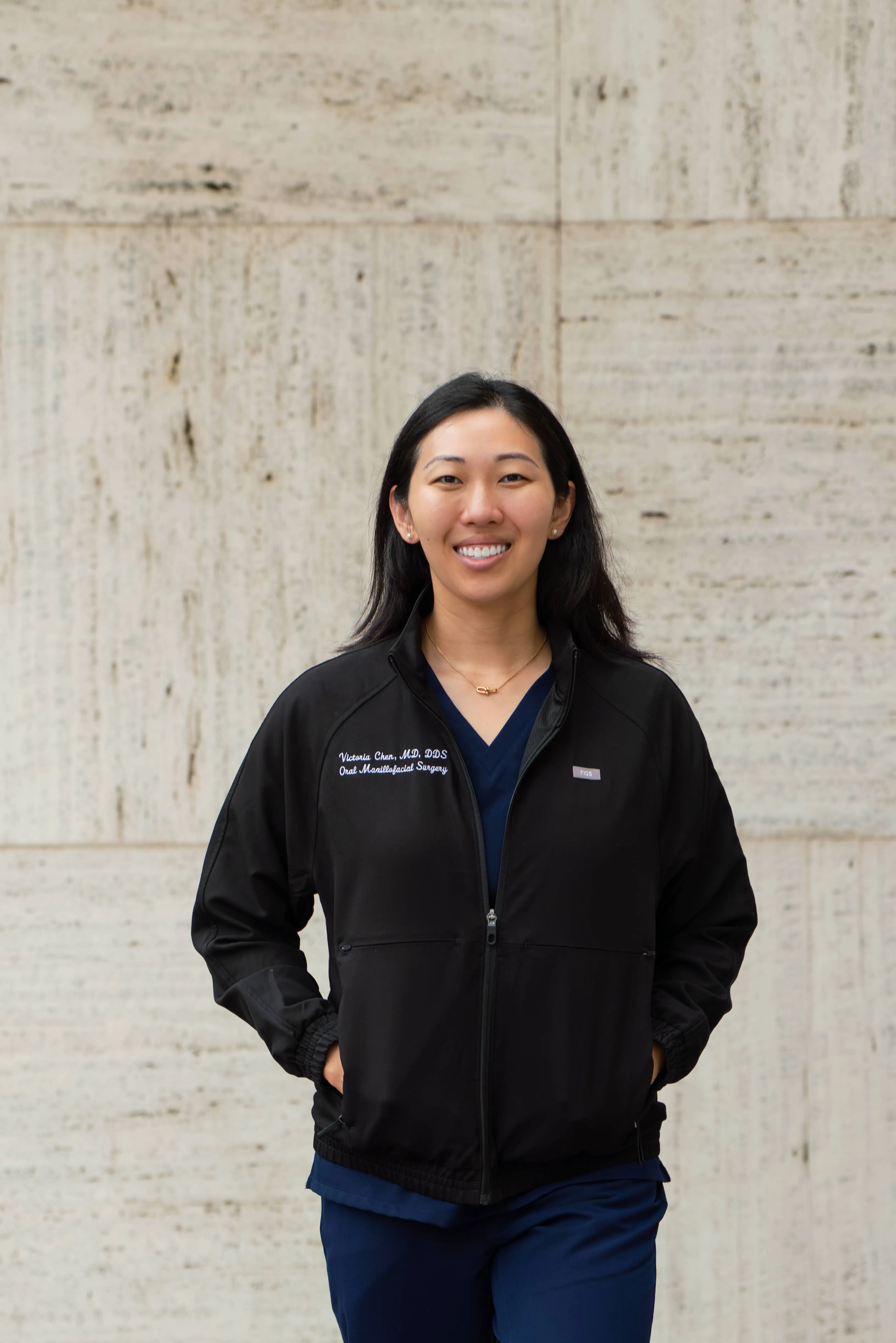
Dr. Victoria Chen’s oral and maxillofacial surgery training includes oral pathology, biopsy technique, and coordination of specialty care.
She explains whether observation, imaging, laboratory testing, biopsy, or referral is most appropriate and reviews pathology results in plain language.
Your evaluation, procedure, results, and next steps remain coordinated with the dental team that knows your health history.
Frequently Asked Questions (FAQs)
Common questions about Oral Pathology & Biopsy in Torrance, CA
No. Many biopsied findings are benign or inflammatory. Biopsy identifies the cause when examination alone is insufficient.
Local anesthesia is used. Temporary soreness afterward is common and usually managed with recommended aftercare.
Timing varies by laboratory and whether special testing is required. We explain how and when results will be reviewed.
Keep the visit if possible and bring clear photos. Recurrent lesions can still need evaluation.
Seek prompt care for rapid swelling, uncontrolled bleeding, or difficulty breathing or swallowing.
Have more questions?
Contact our office to speak with Dr. Chen and get the answers you need to move forward with confidence.
Experience dentistry reimagined with luxurious amenities, a relaxing spa-like atmosphere, and a dedicated team committed to your beautiful, healthy smile.
Get in Touch
Simple secure and safe free parking located on-site.
Phone
Call us now!
Address
Get directions
3610 Lomita Blvd #203
Torrance, CA 90505
Hours
Mon - Thu
8:00am - 5:00pm
Fri - Sun
Closed

.webp)