
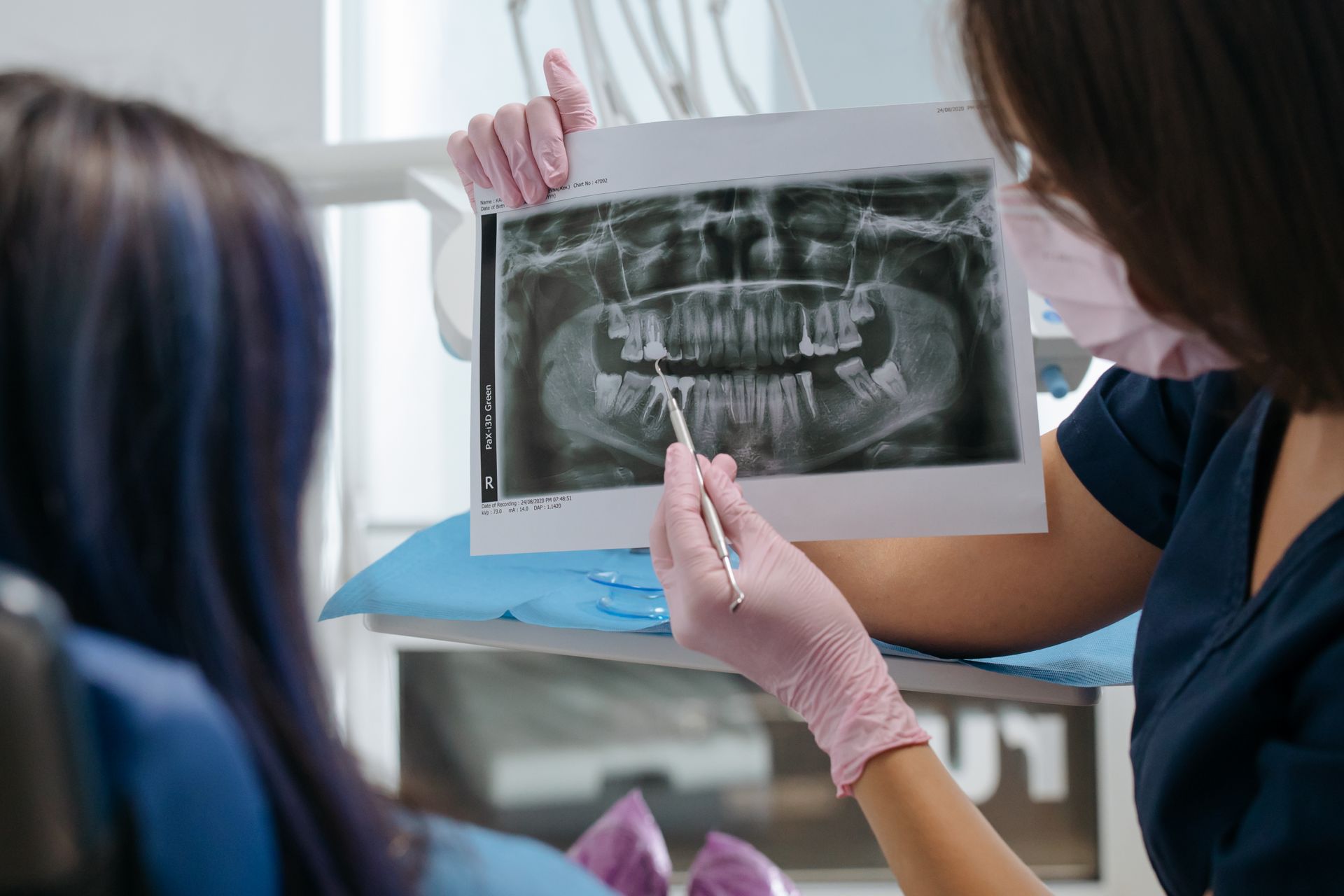
ANKYLOSED TOOTH REMOVAL
Torrance, CA
Careful, bone-preserving removal of teeth fused to the jawbone, performed by oral and maxillofacial surgeon Dr. Victoria Chen.
What Is an Ankylosed Tooth?
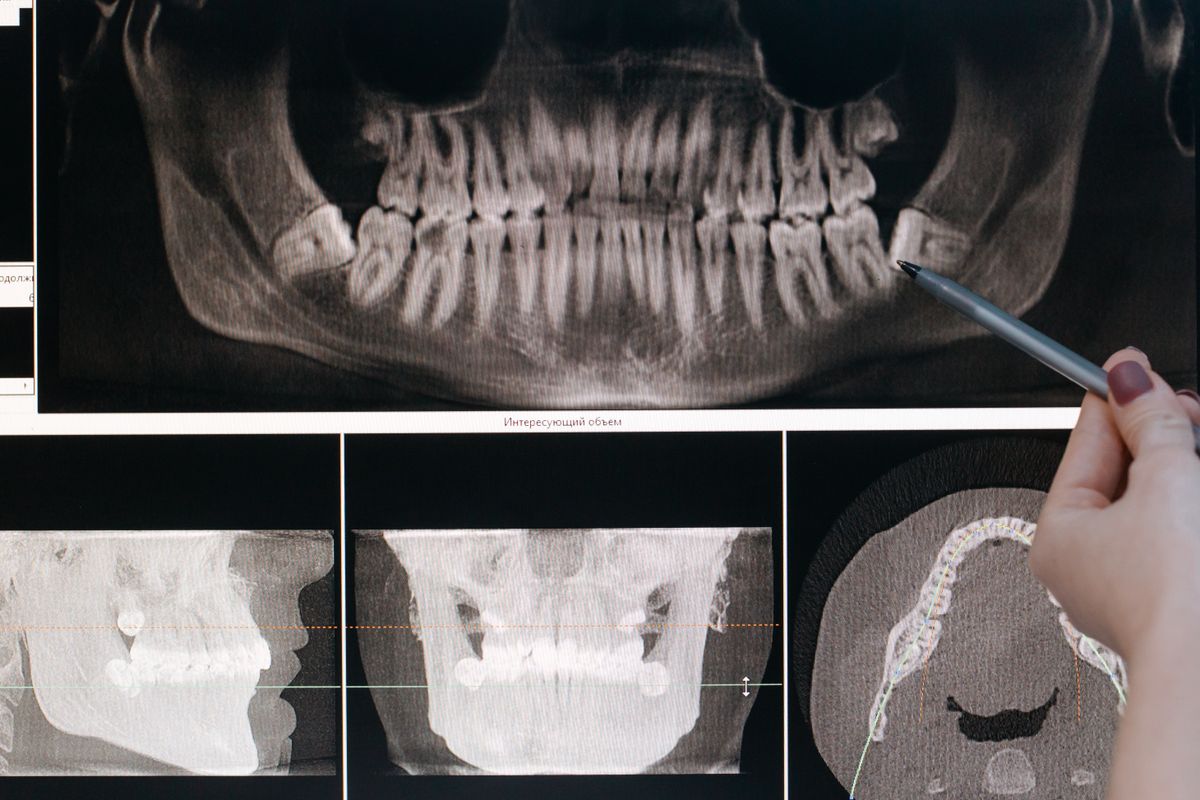
An ankylosed tooth is fused directly to the jawbone. Normally, a thin ligament cushions each tooth in its socket and lets it erupt and shift over time. When that ligament is lost, often after trauma or in some baby molars, the root joins the bone and the tooth becomes locked in place.
Because the root has joined the bone, an ankylosed tooth cannot be removed like a normal tooth and will not move with braces. Removal takes surgical skill: the tooth is often sectioned and lifted out in pieces so the surrounding bone stays intact for the adult tooth below, an implant, or future orthodontic care.
WHO BENEFITS FROM ANKYLOSED TOOTH REMOVAL?

A surgical evaluation is helpful when a tooth sits lower than its neighbors, will not loosen on its own, or does not respond to braces.
Children with sunken baby molars, because a baby molar fused to bone may sink below the bite and block the adult tooth underneath, making timing important.
Patients with a history of dental trauma, because a front tooth that was knocked out and replanted, or badly injured, may fuse to the bone and slowly resorb over time.
Patients whose care is on hold, because a fused tooth that blocks orthodontic movement or the eruption of other teeth usually needs to be removed surgically first.
Adults planning an implant or bridge, because a fused tooth usually requires a surgical approach that preserves as much bone as possible for future replacement.
THE BENEFITS OF ANKYLOSED TOOTH REMOVAL
A planned, minimally invasive surgical approach removes a fused tooth while protecting the bone and teeth around it.

Restore a Healthy Bite
Treating a sunken, fused tooth can help prevent neighboring teeth from tipping and the opposing tooth from over-erupting.
Preserve Bone for the Future
Techniques such as careful sectioning or decoronation can help maintain ridge height and width for a future implant.
Support Normal Jaw Growth
In growing children, removing a fused tooth at the right time helps the jaw and nearby teeth continue to develop normally.
Clear Diagnosis With 3D Imaging
CBCT imaging shows exactly where the root has fused to bone, so the surgery is fully planned before it begins.
Protect the Adult Tooth Below
For baby molars, well-timed removal can help the permanent tooth underneath erupt on its own.
Clear the Way for Braces or Implants
Once the fused tooth is removed and the site heals, orthodontic treatment, an implant, or a bridge can move forward.
THE ANKYLOSED TOOTH REMOVAL PROCESS
Every case is planned around the tooth, the patient’s age and growth, the surrounding bone, and future restorative goals. Dr. Chen explains the surgical approach, anesthesia choices, risks, alternatives, and recovery before treatment.
BOOK NOWStep 1: Exam and 3D Imaging
Dr. Chen confirms ankylosis with an exam and CBCT imaging, mapping the fused root, surrounding bone, and any tooth developing underneath.
Step 2: Custom Surgical Plan
Options may include monitoring, sectioned removal, or decoronation, coordinated with your dentist or orthodontist.
Step 3: Anesthesia and Comfort
The area is fully numbed, and sedation is available for anxious patients and children.
Step 4: Bone-Preserving Removal
The tooth is carefully sectioned and removed, or only the crown is removed so bone can gradually replace the root, protecting the ridge.
Step 5: Grafting and Healing
When needed, a bone graft is placed to support a future implant. Mild swelling usually eases in two to three days, and the site heals within one to two weeks.
WHY CHOOSE SOUTH BAY DENTAL LOFT FOR ANKYLOSED TEETH
.webp)
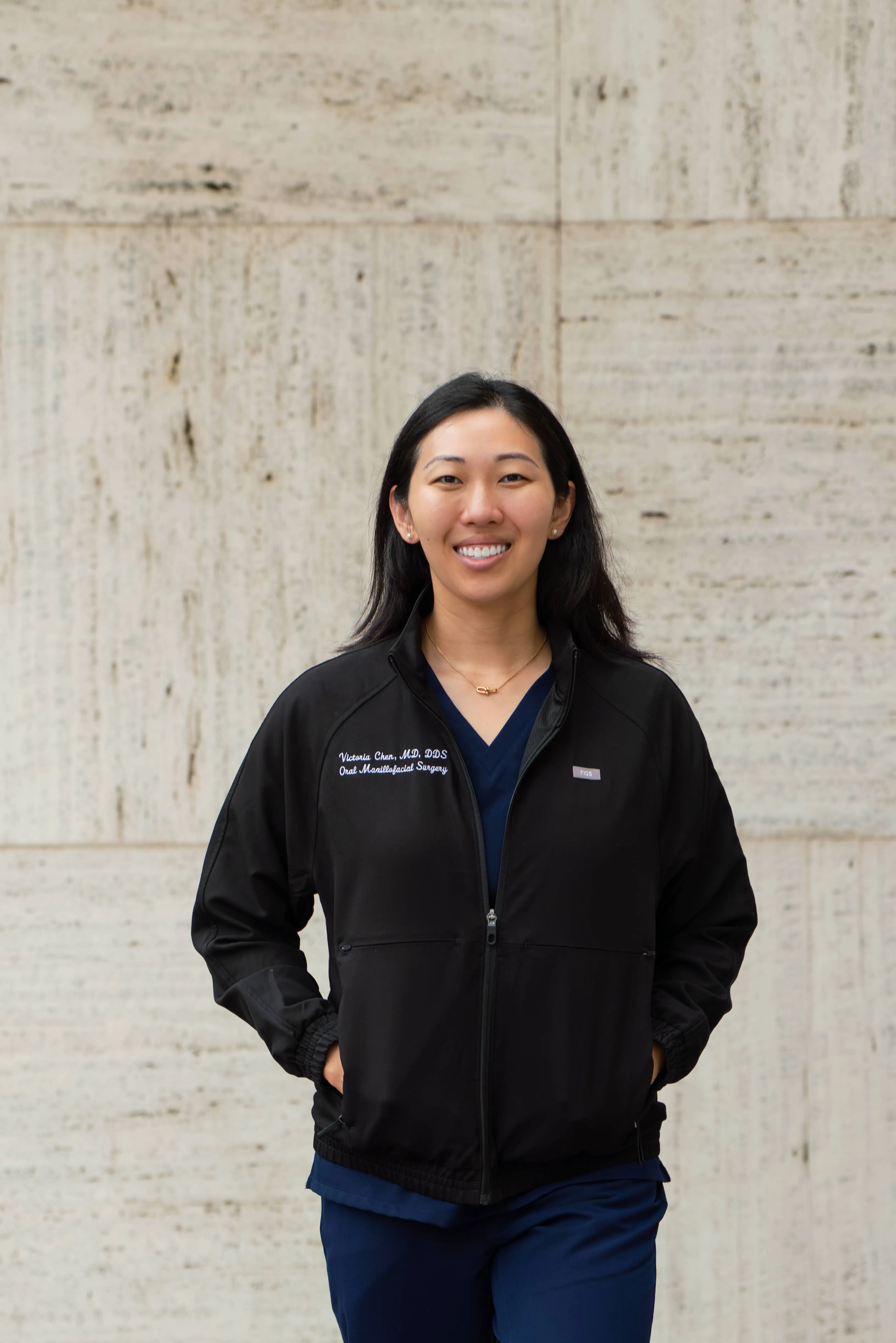
Dr. Victoria Chen’s dual dental and medical training and six-year UCLA oral and maxillofacial surgery residency support careful planning for ankylosed tooth removal, including 3D imaging review and anesthesia-related considerations.
She evaluates imaging and growth stage to choose a bone-conserving approach, explain relevant risks, and coordinate grafting, orthodontics, or future restoration when indicated.
At South Bay Dental Loft, surgical care stays connected to your broader dental plan, with clear aftercare instructions and direct follow-up from a team that knows you.
Frequently Asked Questions (FAQs)
Common questions about Ankylosed Tooth Removal in Torrance, CA
Dental trauma, such as a tooth that was knocked out and replanted, is a common cause in adult teeth. In baby molars, ankylosis can occur without an obvious cause and may run in families.
The tooth may sit lower than its neighbors, feel completely solid, or not move during orthodontic treatment. An exam and imaging are needed to confirm it.
Because it is fused to bone, the tooth is usually sectioned and removed in small pieces. In some younger patients, only the crown is removed so the root can be replaced by bone naturally, a technique called decoronation.
Most patients have mild soreness or swelling for two to three days and heal within one to two weeks. A soft diet, gentle rinsing, and a follow-up visit help the site heal well.
Depending on age and site, options may include an implant, a bridge, or orthodontic space closure. Preserving bone during removal helps keep these options open.
Have more questions?
Contact our office to speak with Dr. Chen and get the answers you need to move forward with confidence.
Experience dentistry reimagined with luxurious amenities, a relaxing spa-like atmosphere, and a dedicated team committed to your beautiful, healthy smile.
Get in Touch
Simple secure and safe free parking located on-site.
Phone
Call us now!
Address
Get directions
3610 Lomita Blvd #203
Torrance, CA 90505
Hours
Mon - Thu
8:00am - 5:00pm
Fri - Sun
Closed

.webp)