
SLEEP APNEA TREATMENT
Torrance, CA
Sleep apnea requires medical diagnosis and coordinated care. South Bay Dental Loft provides custom oral appliance therapy for appropriate patients in Torrance, working with the prescribing sleep physician to support safer, more restful sleep.
What Is Sleep Apnea Treatment?

Obstructive sleep apnea causes repeated narrowing or blockage of the airway during sleep. Common signs include loud snoring, witnessed breathing pauses, gasping, morning headaches, dry mouth, and daytime sleepiness.
A physician must diagnose sleep apnea, usually with a sleep study. Treatment may include positive airway pressure therapy, an oral appliance, lifestyle changes, or surgery, depending on the diagnosis, severity, anatomy, health history, and patient preferences.
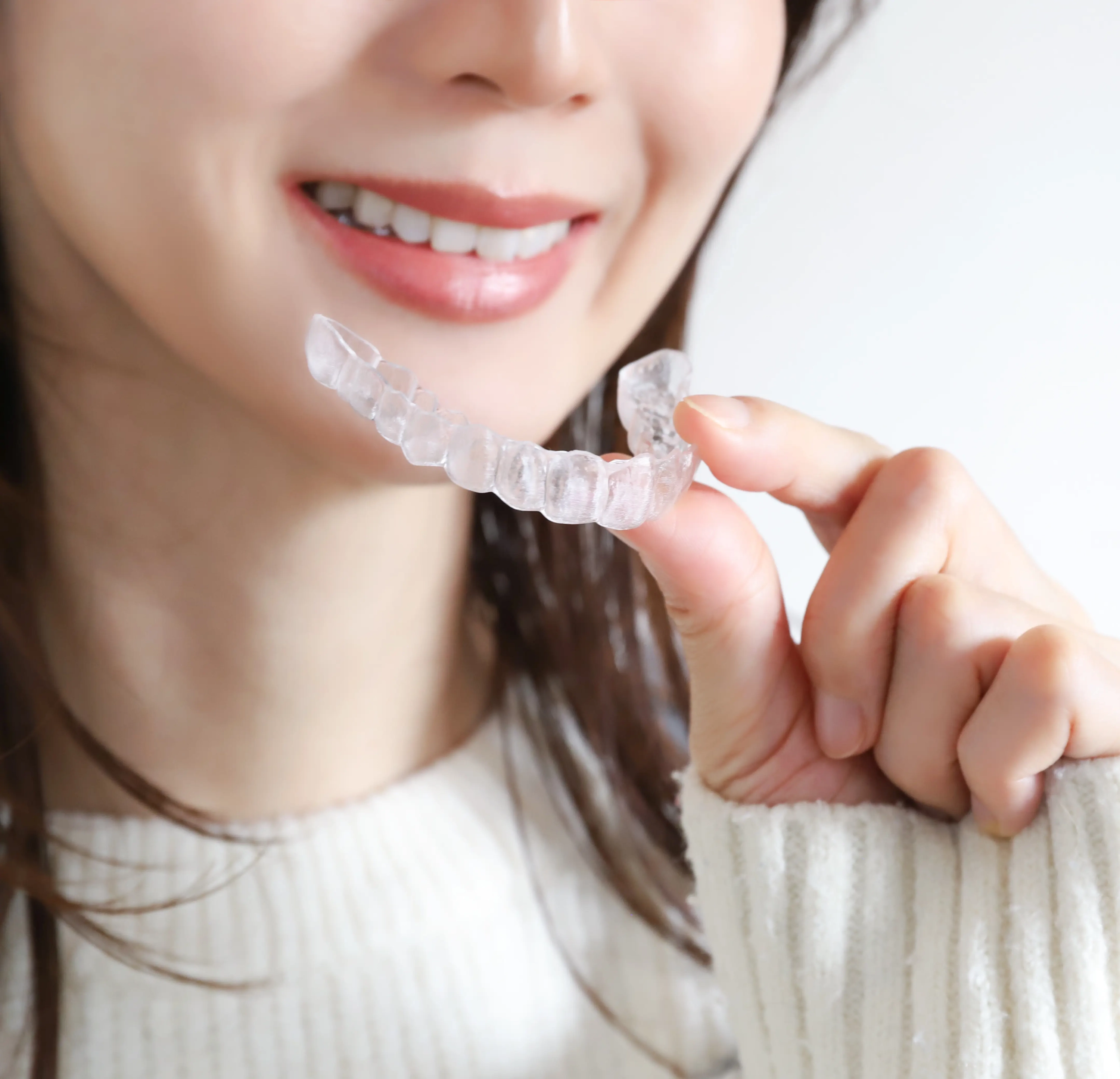
For appropriate adults who prefer an alternative to CPAP or cannot tolerate it, a custom, titratable oral appliance may be prescribed. Our dental team coordinates appliance fitting, adjustment, and follow-up with the sleep physician.
WHO BENEFITS FROM SLEEP APNEA TREATMENT?
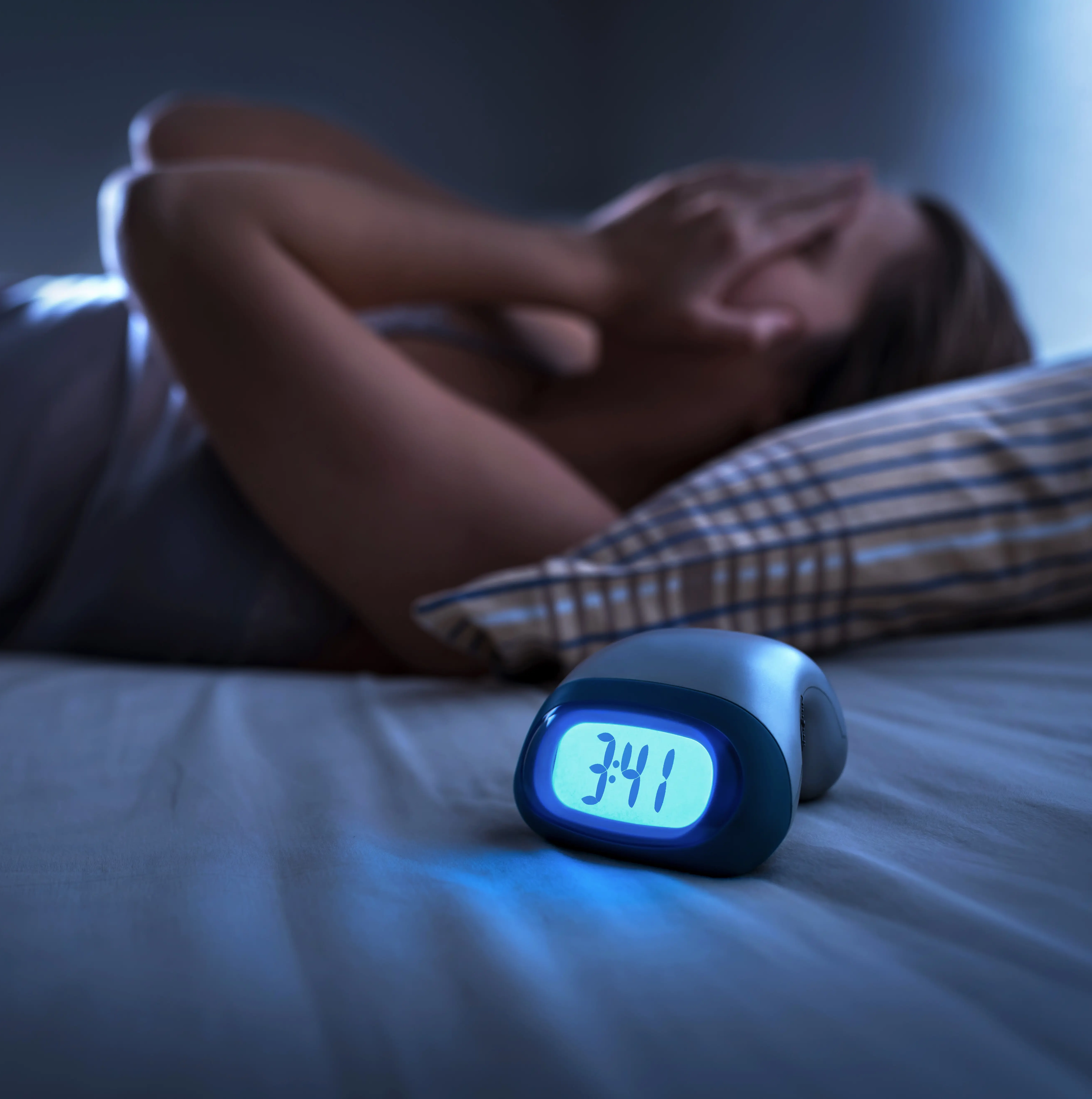
Oral appliance therapy may help adults with a physician-confirmed sleep apnea diagnosis whose symptoms, anatomy, and medical plan make a custom appliance a reasonable option.
Patients with loud, chronic snoring – Snoring almost every night, especially with pauses or gasping sounds, is one of the most common signs of obstructive sleep apnea.
Patients with witnessed breathing pauses – Pauses, gasping, or choking observed during sleep are important reasons to seek medical evaluation.
Patients with daytime sleepiness or poor focus – Exhaustion despite enough time in bed, daytime napping, memory problems, and reduced mental clarity often follow fragmented sleep.
Patients waking with headaches or a dry mouth – Morning headaches, dry mouth, or a sore throat can accompany mouth breathing and sleep-related breathing problems, although each has other possible causes.
Patients who cannot tolerate CPAP – Adults who decline positive airway pressure therapy, or who struggle to use it consistently, may be candidates for a custom, titratable appliance under a sleep physician’s plan.
Patients managing blood pressure or cardiovascular risk – Obstructive sleep apnea is associated with high blood pressure and cardiovascular risk, so diagnosis and treatment belong under medical care.
THE Benefits OF SLEEP APNEA TREATMENT
Treatment is chosen with your sleep physician and may include positive airway pressure therapy, a custom oral appliance, supportive lifestyle changes, or surgery, depending on your diagnosis.

Support for an Open Airway
A custom, titratable appliance holds the lower jaw slightly forward to help keep the airway open during sleep.
An Alternative When CPAP Is Not Tolerated
For appropriate adults who decline positive airway pressure therapy or cannot tolerate it, an oral appliance may be prescribed as part of the medical plan.
Coordinated Medical and Dental Care
Fitting, adjustment, and follow-up are handled alongside your sleep physician so dental care stays aligned with your diagnosis and testing.
GETTING YOUR SLEEP APNEA APPLIANCE
Our dental team coordinates with the diagnosing sleep physician to fit, adjust, and monitor a custom oral appliance when it is appropriate for the treatment plan.
BOOK NOWStep 1: Sleep Study and Diagnosis
A sleep physician reviews testing, confirms the diagnosis and severity, and recommends appropriate treatment options.
Step 2: Dental Sleep Evaluation
We assess your teeth, gums, bite, jaw movement, and sleep-study information to determine whether an oral appliance is appropriate.
Step 3: Digital Scan and Fabrication
A detailed digital scan or impression is used to create a custom appliance through a qualified dental laboratory.
Step 4: Fitting and Gradual Adjustment
The appliance is fitted, and the jaw position is adjusted gradually to balance airway support, comfort, and bite health.
Step 5: Follow-Up and Effectiveness Testing
We monitor comfort, fit, jaw function, and tooth position. The sleep physician may recommend follow-up testing to confirm effectiveness.
WHY CHOOSE SOUTH BAY DENTAL LOFT FOR SLEEP APNEA TREATMENT
Sleep apnea is diagnosed and managed medically. Our role is the dental side of that plan: evaluating whether your teeth, gums, bite, and jaw function can support a custom oral appliance, then fitting, adjusting, and monitoring it alongside the prescribing sleep physician.
Adjustment takes time. A sense of fullness, extra saliva, or mild jaw and tooth awareness is common early on and often settles as you adapt. Persistent pain, bite changes, or limited jaw movement should be evaluated rather than waited out, so we ask you to tell us about discomfort, appliance damage, or disrupted sleep and we will reassess the fit.
Feeling better does not on its own confirm that sleep apnea is controlled. Wear the appliance exactly as prescribed, keep any follow-up testing your sleep physician recommends, and plan on periodic dental review to monitor fit, oral health, jaw comfort, and tooth position over the long term.
Frequently Asked Questions (FAQs)
Common questions about sleep apnea treatment in Torrance, CA
Obstructive sleep apnea is a medical sleep disorder in which the upper airway repeatedly narrows or closes during sleep. A qualified medical provider must diagnose it, usually with a sleep study.
A custom oral appliance may be considered for appropriate adults whose sleep physician prescribes it, including some patients who prefer an alternative to CPAP or cannot tolerate CPAP.
A custom, titratable appliance holds the lower jaw forward to help keep the airway open during sleep. It must be fitted and monitored by a qualified dentist as part of a coordinated treatment plan.
Improved snoring or daytime energy is helpful, but symptoms alone cannot confirm control. The sleep physician may recommend follow-up sleep testing after the appliance is adjusted.
Temporary saliva changes, dry mouth, tooth or jaw discomfort, and morning bite changes can occur. Long-term monitoring is important because tooth position or bite changes may develop.
CPAP uses pressurized air through a mask, while an oral appliance repositions the lower jaw. CPAP is generally more effective at reducing breathing events, but an oral appliance may be appropriate for selected patients.
Have more questions?
Call South Bay Dental Loft to discuss oral appliance therapy and coordination with your sleep physician.
Experience dentistry reimagined with luxurious amenities, a relaxing spa-like atmosphere, and a dedicated team committed to your beautiful, healthy smile.
Get in Touch
Simple secure and safe free parking located on-site.
Phone
Call us now!
Address
Get directions
3610 Lomita Blvd #203
Torrance, CA 90505
Hours
Mon - Thu
8:00am - 5:00pm
Fri - Sun
Closed

.webp)