
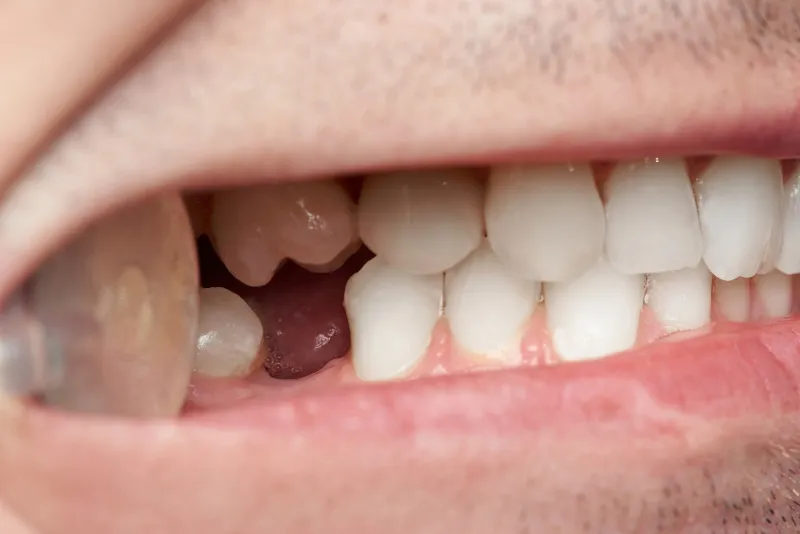
One moment you're eating lunch or brushing your teeth, and suddenly your dental crown feels loose or even falls completely out. It's alarming, but in most cases, there's no need to panic.
A loose crown doesn't always mean the tooth underneath is damaged. However, leaving it untreated can expose your tooth to bacteria, increase sensitivity, and potentially lead to more expensive treatment later. Knowing what to do during the first few hours can make a significant difference.
In this guide, you'll learn why dental crowns come loose, what immediate steps to take, what you should never do at home, and when it's time to seek emergency dental care.
Is a Loose Dental Crown Considered a Dental Emergency?
A loose dental crown is not always considered a dental emergency, but it should never be ignored. Whether the situation is urgent depends on your symptoms, the condition of the underlying tooth, and how long the crown remains off.
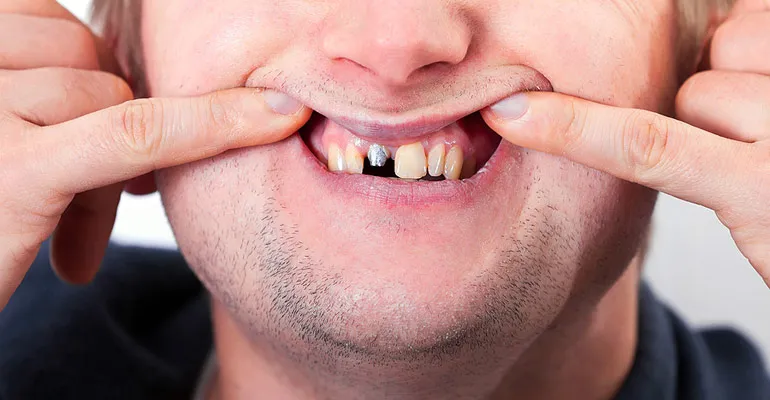
A Loose Crown Isn't Always an Emergency
In many situations, a loose crown simply means that the dental cement has lost its bond over time. If the crown comes off cleanly and the tooth underneath feels comfortable, there is usually enough time to contact your dentist and schedule an appointment within the next day or two.
Even if you are not in pain, remember that the crown is no longer protecting your tooth. The exposed tooth structure is much more vulnerable to bacteria, temperature changes, and accidental damage.
When It Becomes Urgent
Some situations require immediate dental attention because they may indicate a more serious problem beneath the crown.
You should contact an emergency dentist as soon as possible if you experience:
- Severe or Persistent Pain: Pain may indicate that the tooth nerve has become exposed or that decay has reached deeper layers of the tooth.
- Significant Swelling: Swelling around the tooth or gums may signal an infection or abscess that requires prompt treatment.
- Bleeding That Doesn't Stop: While mild gum irritation is common, continuous bleeding should be evaluated immediately.
- A Broken Tooth: If part of the tooth fractures along with the crown, delaying treatment may reduce the chances of saving the tooth.
- Signs of Infection: Symptoms such as pus, a bad taste in your mouth, facial swelling, or fever require urgent professional care.
- You Accidentally Swallowed the Crown: Most swallowed crowns pass naturally through the digestive system without causing harm. However, if you experience difficulty breathing, persistent coughing, chest pain, or severe discomfort, seek immediate medical attention.
Why You Shouldn't Wait Too Long
Some people assume they can simply wait until the crown starts hurting before making an appointment. Unfortunately, delaying treatment often turns a simple repair into a much more complex procedure.
Without its protective crown, the exposed tooth can:
- Develop new decay
- Become highly sensitive to hot and cold foods
- Crack under normal chewing pressure
- Shift slightly, making the original crown no longer fit properly
- Allow bacteria to enter and infect the tooth
In many cases, patients who visit the dentist within 24 to 48 hours have more treatment options and may be able to keep their original crown.
Why Did My Dental Crown Come Loose?
Dental crowns are made to withstand years of daily chewing and biting. Depending on the material, oral hygiene, and bite forces, many crowns last between 10 and 15 years, with some lasting even longer when properly maintained.
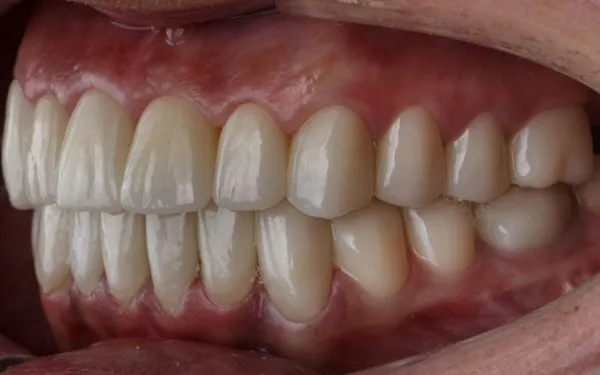
However, several factors can eventually cause a crown to loosen.
The Dental Cement Has Worn Out
The most common reason is simply aging dental cement.
The adhesive that secures your crown gradually weakens after years of exposure to moisture, chewing pressure, and temperature changes. Once the bond deteriorates, the crown may begin to feel loose or detach completely.
This type of failure is often straightforward to repair if the crown and underlying tooth remain in good condition.
Tooth Decay Under the Crown
A crown protects the visible portion of the tooth, but it cannot prevent decay from developing around the edges where the crown meets the natural tooth.
If bacteria enter tiny gaps between the crown and tooth, decay may slowly weaken the supporting structure. As more tooth structure is lost, the crown no longer fits securely and eventually comes loose.
This is why regular dental exams remain important even after receiving a crown.
Biting Hard Foods
Dental crowns are durable, but they are not indestructible.
Frequently biting into very hard foods can place excessive stress on the crown and the cement beneath it.
Examples include:
- Ice
- Hard candy
- Popcorn kernels
- Nuts with shells
- Bone-in meats
Repeated pressure may gradually loosen the restoration or even crack the crown.
Teeth Grinding (Bruxism)
Many people grind or clench their teeth during sleep without realizing it.
These repeated forces can place tremendous pressure on both natural teeth and dental crowns. Over time, grinding may:
- Wear down the crown
- Loosen the cement
- Crack porcelain crown
- Damage the underlying tooth
If you have a history of bruxism, your dentist may recommend wearing a custom night guard to protect your restorations.
Trauma or Injury
A fall, sports injury, or blow to the mouth can immediately dislodge a crown.
Even if the crown appears intact afterward, the supporting tooth may have suffered hidden damage that requires professional evaluation.
Never assume everything is fine simply because the crown can be placed back onto the tooth.
Aging Dental Crowns
Like any dental restoration, crowns have a limited lifespan.
The American Dental Association notes that while many crowns can last well over a decade, factors such as oral hygiene, bite habits, and overall dental health significantly influence longevity.
If your crown has been in place for many years, loosening may simply indicate that it has reached the end of its functional life.
What Should You Do Immediately If Your Crown Comes Loose?
Knowing how to respond can help protect your tooth and improve the likelihood that your dentist can successfully reattach the existing crown.
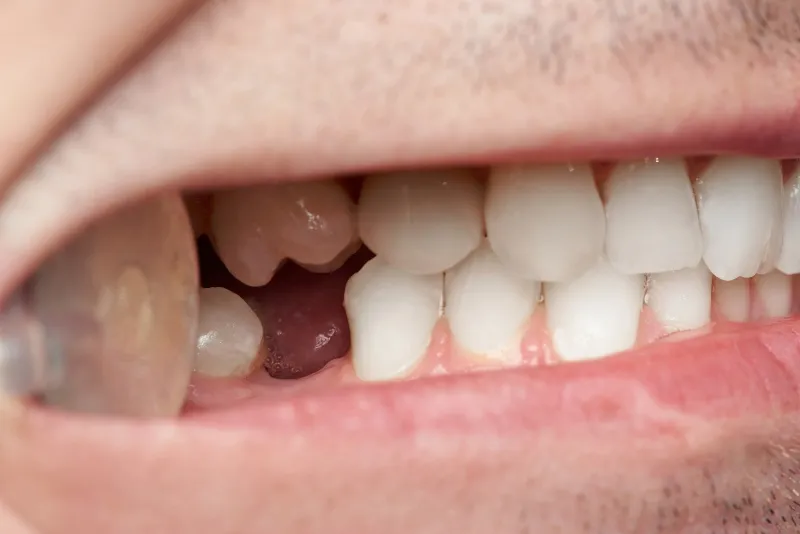
Step 1: Stay Calm and Carefully Remove the Crown
If the crown is hanging loosely from your tooth, gently remove it to prevent accidentally swallowing or inhaling it.
Avoid forcing it if it still feels firmly attached.
Handle the crown carefully and avoid scratching or bending it.
Step 2: Store the Crown Safely
Do not throw the crown away.
Place it in a clean container, small plastic bag, or pill bottle and bring it with you to your dental appointment.
Even if the crown appears damaged, your dentist may still be able to repair or reuse it.
Step 3: Rinse Your Mouth
Use warm water to gently rinse your mouth.
If the exposed tooth feels sensitive, a mild saltwater rinse may help keep the area clean and soothe irritated gum tissue.
Continue brushing and flossing carefully around the affected area while avoiding aggressive pressure.
Step 4: Protect the Exposed Tooth
Without the crown, your tooth becomes much more vulnerable.
If you cannot see your dentist immediately, temporary protection may help reduce sensitivity.
Depending on your situation, you may use:
- Temporary dental cement available at most pharmacies
- Dental wax to cover sharp edges
- Sugar-free chewing gum as a very short-term protective barrier if recommended by your dentist
These solutions are only temporary and should never replace professional treatment.
Step 5: Avoid Chewing on That Side
Until your appointment, try to minimize pressure on the exposed tooth.
Choose softer foods such as:
- Yogurt
- Scrambled eggs
- Pasta
- Mashed potatoes
- Soup
- Smoothies
Avoid foods that are:
- Sticky
- Crunchy
- Hard
- Extremely hot
- Extremely cold
Doing so reduces the risk of fracturing the exposed tooth.
Step 6: Contact Your Dentist as Soon as Possible
Even if you're not experiencing pain, schedule an appointment as soon as you notice your crown has become loose.
When you call, explain:
- When the crown came off
- Whether you're experiencing pain
- If the crown is intact
- Whether the tooth feels sensitive
- If any swelling or bleeding is present
Providing these details helps the dental team determine how urgently you should be seen.
Many dental offices, including those that provide emergency dentistry, reserve same-day appointments for situations like loose or lost crowns to help patients avoid further complications.
Can You Put a Dental Crown Back on Yourself?
In some situations, you may be able to temporarily place a crown back over the tooth using an over-the-counter temporary dental cement. This can help reduce sensitivity and protect the tooth for a short period until you can see your dentist.
However, this should only be considered a temporary measure.
A dental crown must fit with extreme precision. Before permanently recementing it, your dentist will examine the crown, remove old cement, check for decay or fractures, evaluate your bite, and ensure the restoration still fits properly. Skipping these steps could trap bacteria beneath the crown or create bite problems that lead to additional damage.
Never use super glue, construction adhesive, or any household product to secure a crown. These materials are unsafe for oral use and can permanently damage both the crown and the tooth.
If your crown has fallen off, the safest approach is to keep it clean, store it carefully, and let your dentist determine whether it can be reattached or should be replaced.
What Will Your Dentist Do to Fix a Loose Crown?
Treatment depends on the condition of both the crown and the tooth underneath. After examining your mouth and taking digital X-rays if necessary, your dentist will recommend the most appropriate solution.
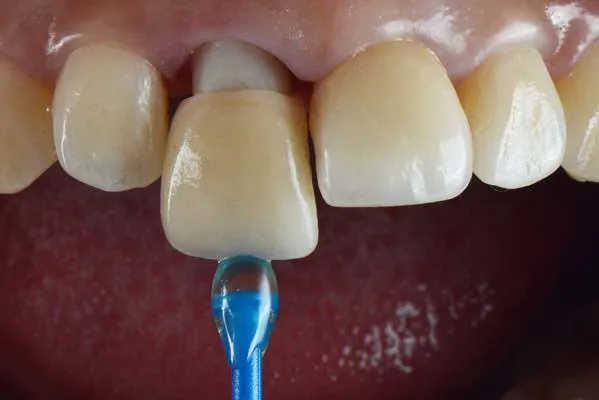
Recement the Existing Crown
If the crown remains intact and the supporting tooth is healthy, the simplest solution is often to clean the crown, remove any remaining cement, and securely bond it back into place.
This conservative treatment preserves your existing restoration while restoring its function and appearance.
Replace the Crown
Sometimes the crown cannot be reused because it is cracked, worn, distorted, or no longer fits properly.
In these cases, your dentist will take new impressions or digital scans to fabricate a replacement crown that fits precisely and restores your bite comfortably.
Modern crowns are designed to closely match the color, shape, and translucency of your natural teeth for a seamless appearance.
Treat Tooth Decay Before Restoring the Crown
If decay has developed beneath the crown, the damaged tooth structure must be removed before the restoration can be replaced.
Depending on the extent of decay, your dentist may rebuild the tooth with a filling or core buildup before placing a new crown.
Addressing the underlying problem is essential for ensuring the long-term success of the restoration.
Perform Root Canal Therapy if Necessary
If bacteria have reached the dental pulp, the tooth may become infected or inflamed.
Signs that root canal treatment may be needed include:
- Severe or lingering tooth pain
- Sensitivity that persists after removing hot or cold foods
- Swelling around the gums
- An abscess near the affected tooth
After the root canal is completed, a new crown is typically placed to restore the tooth's strength and protect it from future damage.
How Long Can You Leave a Loose Crown Untreated?
Although you may not experience immediate discomfort, it's best not to delay treatment.
Ideally, you should contact your dentist within 24 to 48 hours after noticing that your crown has become loose or fallen off.
The longer the tooth remains uncovered, the greater the risk of complications, including:
- Tooth sensitivity
- New cavities developing beneath the restoration
- Tooth fracture
- Movement of neighboring teeth
- Bite changes that prevent the crown from fitting properly
- Infection requiring more extensive treatment
In some cases, waiting too long means the original crown can no longer be reused, resulting in the need for a completely new restoration.
Seeking prompt care not only protects your oral health but may also save time and reduce future treatment costs.
How to Prevent Your Dental Crown from Coming Loose Again
While no dental restoration lasts forever, proper care can significantly extend the lifespan of your crown and reduce the likelihood of future problems.
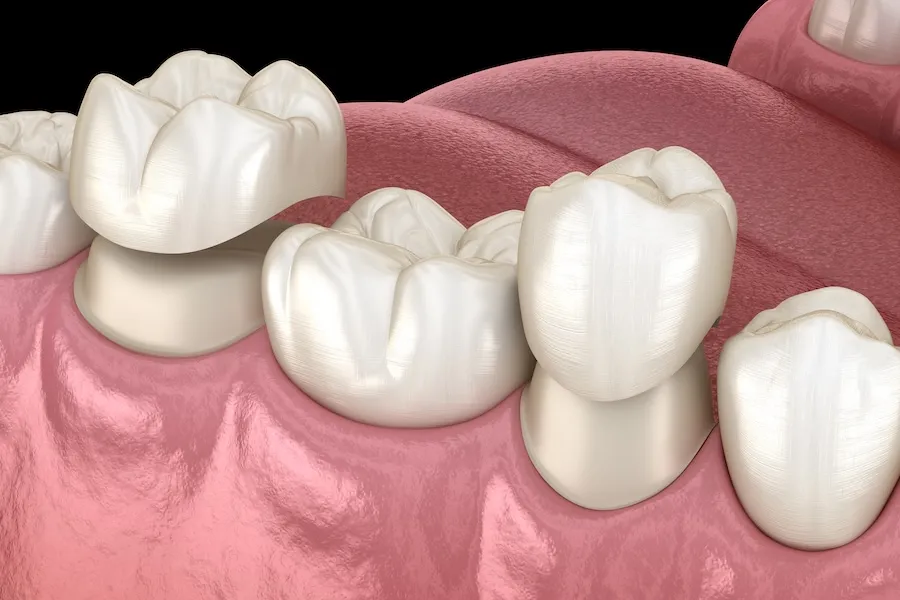
Practice Excellent Oral Hygiene
Brush twice daily with fluoride toothpaste and floss carefully around the edges of your crown.
Keeping the area clean helps prevent plaque buildup and reduces the risk of decay developing beneath the restoration.
Avoid Using Your Teeth as Tools
Your teeth are designed for chewing food, not opening packages, biting fingernails, or holding objects.
These habits place unnecessary stress on both natural teeth and dental crowns, increasing the risk of damage.
Protect Your Teeth if You Grind at Night
If you clench or grind your teeth during sleep, ask your dentist whether a custom night guard is appropriate.
A professionally fitted night guard cushions your teeth, helping protect crowns, fillings, and natural enamel from excessive forces.
Visit Your Dentist Regularly
Routine dental examinations allow your dentist to detect small problems before they become larger ones.
During regular checkups, your dentist can evaluate the condition of your crown, check the margins for leakage or decay, and ensure your bite remains balanced.
Professional cleanings also help maintain healthy gums, which support the longevity of your restorations.
Replace Aging Crowns When Recommended
Even well-maintained crowns eventually wear out.
If your dentist notices signs of deterioration, replacing the crown before it fails completely can help prevent emergency situations and protect the underlying tooth.
Why Patients Trust SB Dental Loft for Crown Repair
When a crown comes loose, timely care can make the difference between a simple repair and a more complex restoration. At South Bay Dental Loft, patients receive prompt, personalized treatment focused on preserving their natural teeth whenever possible.
Our experienced dental team begins with a thorough evaluation to determine why the crown became loose rather than simply reattaching it. Using advanced digital imaging and modern diagnostic technology, we assess the health of the supporting tooth, surrounding gums, and bite to recommend the most conservative and effective treatment.
Whether your crown only needs to be recemented or requires replacement due to decay or damage, we create treatment plans tailored to your individual needs. We also understand that dental emergencies can be stressful, which is why we strive to provide timely appointments and compassionate care that helps patients feel informed and comfortable throughout the process.
From high-quality ceramic restorations to comprehensive preventive care, our goal is not only to restore your smile but also to help prevent future dental problems so you can enjoy long-lasting oral health with confidence.
Conclusion
A loose dental crown can be surprising, but it doesn't have to become a serious dental problem. Acting quickly, protecting the exposed tooth, and avoiding common DIY mistakes can significantly improve the chances of saving your existing restoration.
If your crown has become loose or fallen off, don't wait for pain to develop. Prompt professional care can prevent further damage, restore your smile, and help you return to eating and speaking comfortably. If you're experiencing a loose crown or another dental emergency, the team at South Bay Dental Loft is here to provide the expert care you need.

.webp)